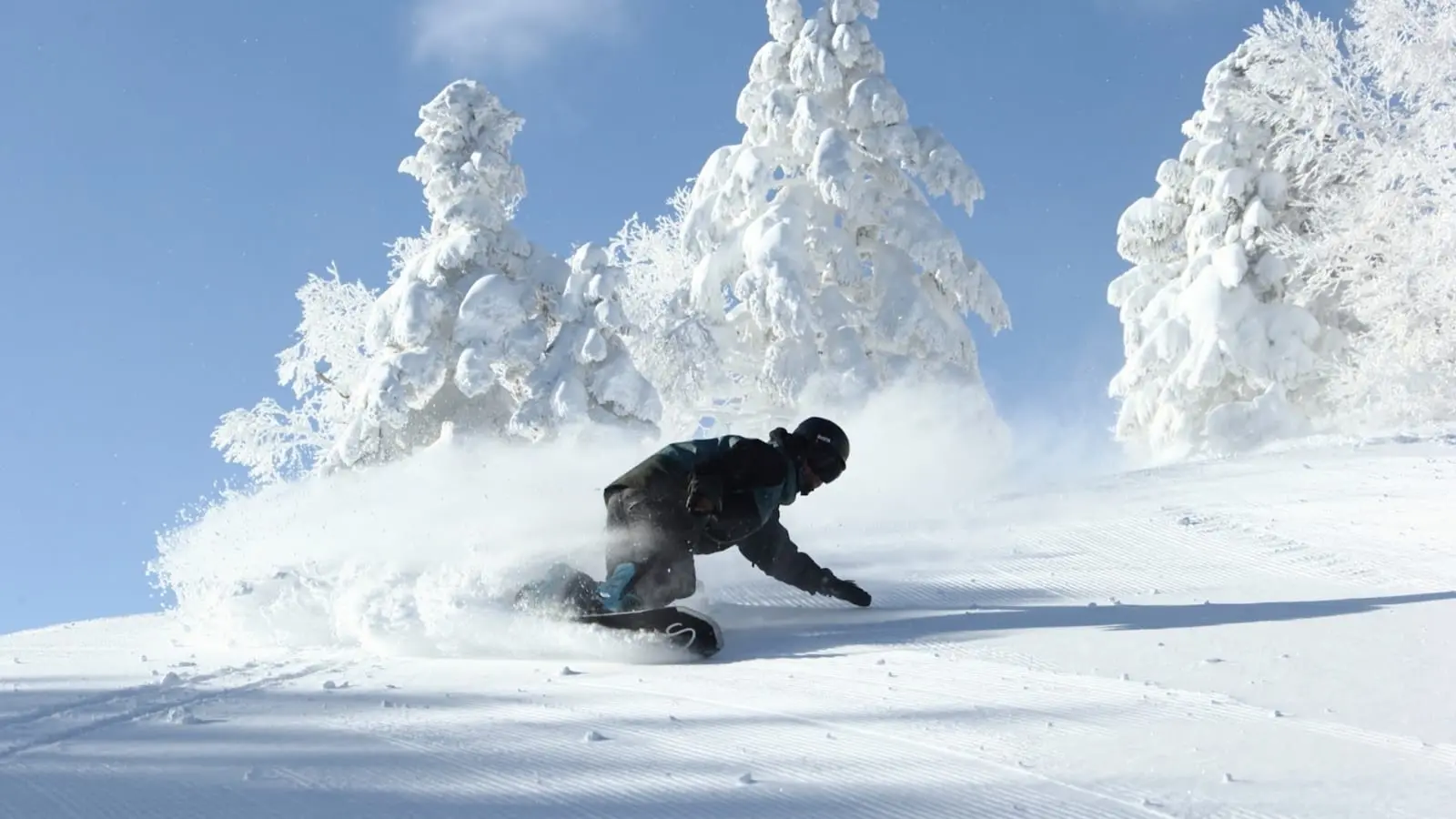
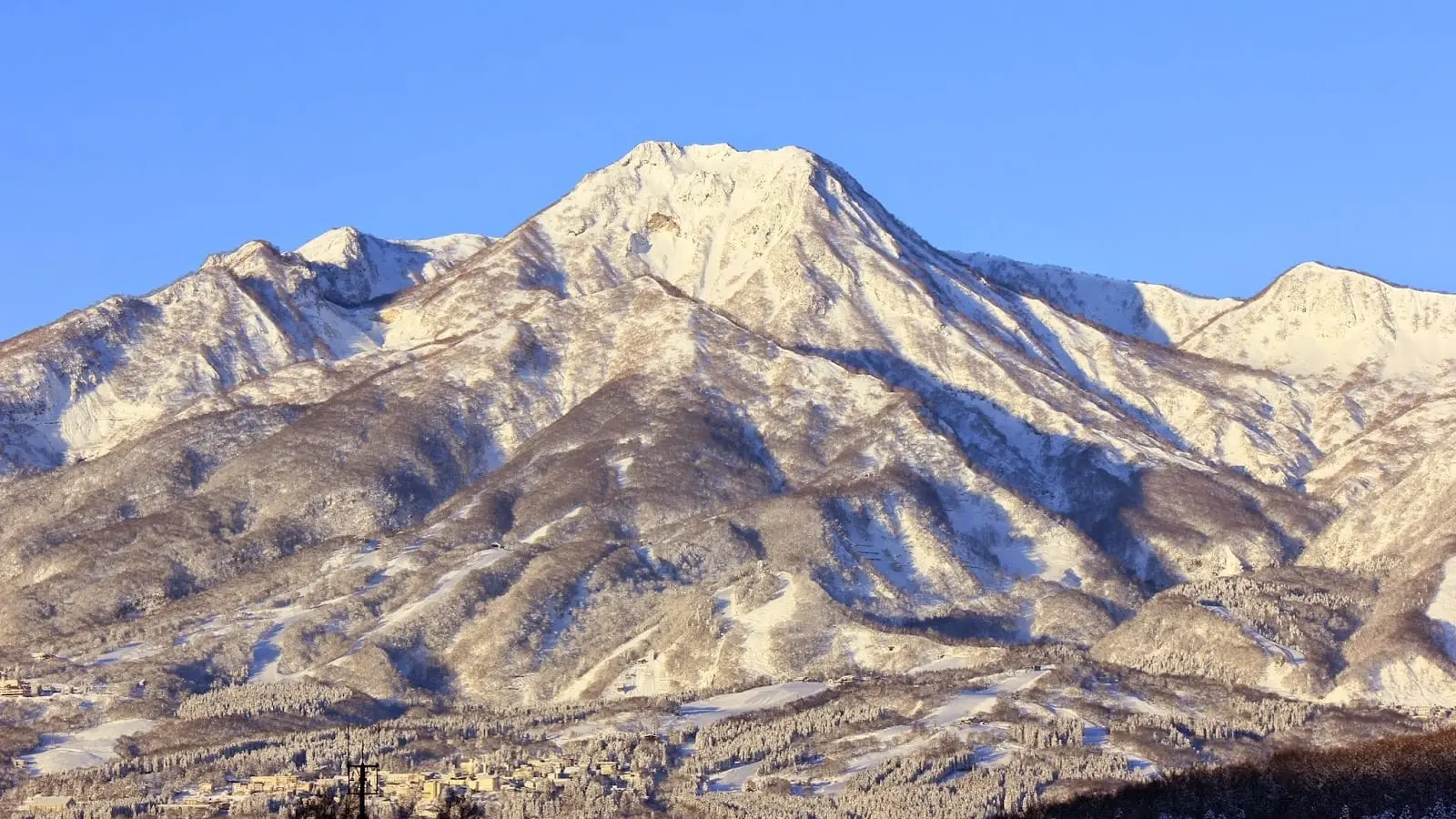
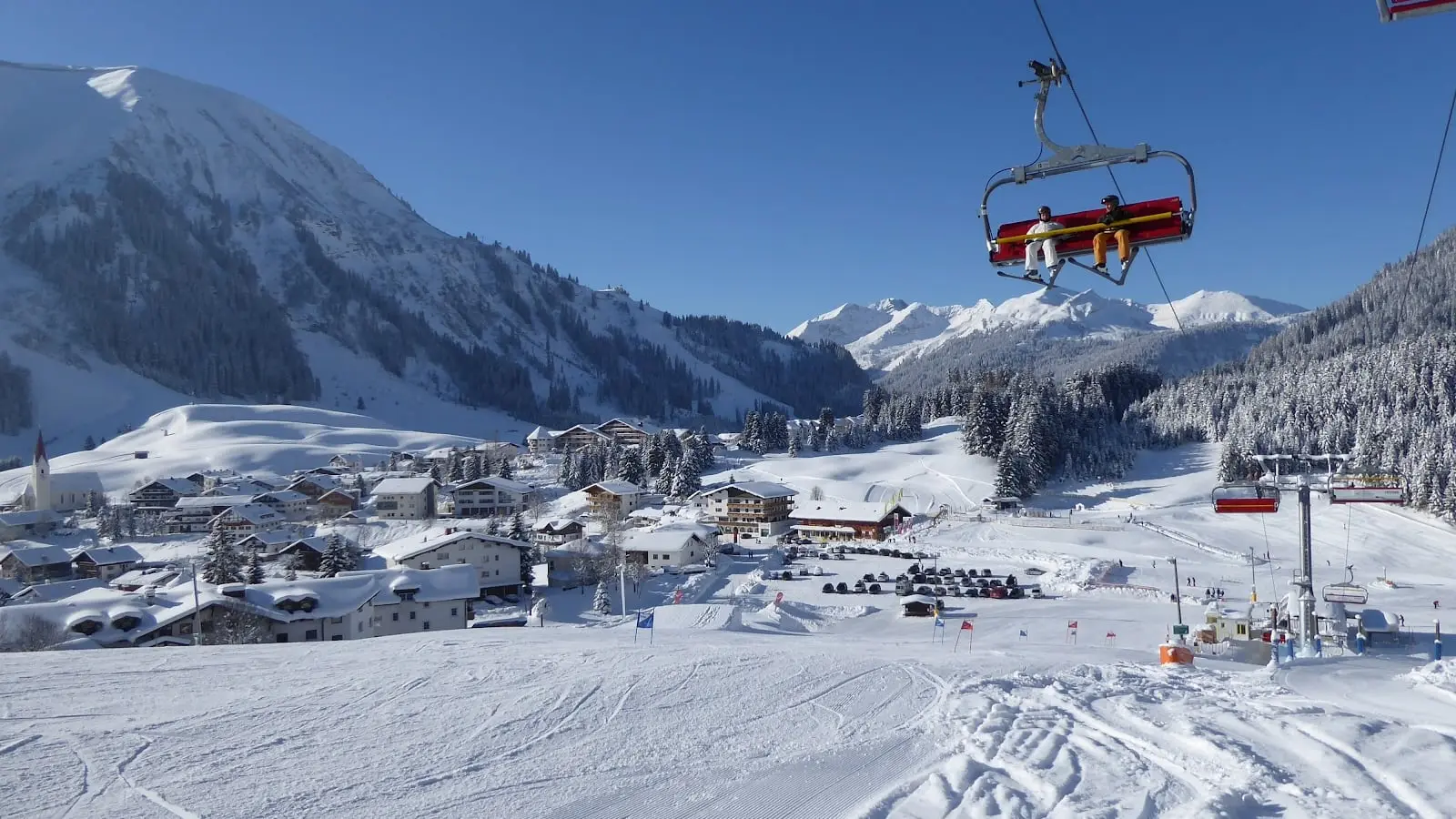
Zao Onsen is the home of the juhyo, the frozen Maries fir trees that swell into ghostly snow monsters above the ropeway. Below, a 1900-year-old sulphur spring town hums quietly under the lanterns, a Tohoku original far from the Honshu mainstream.
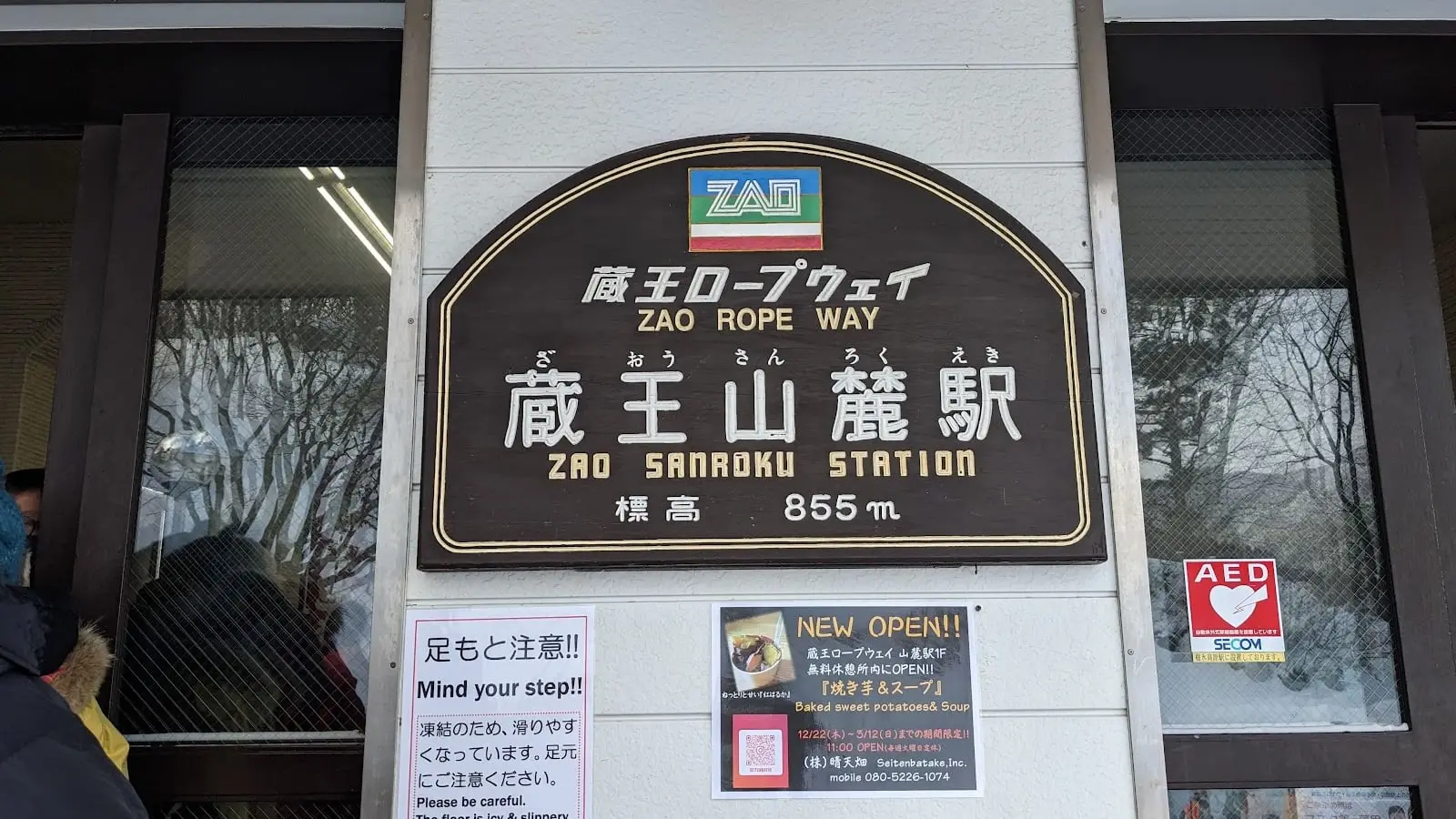
Zao Onsen is a ski resort in Japan, in the Tohoku Mountains. The village sits at 855 m and the lifts top out at 1660 m, with 41 km of pistes and 36 lifts. Its BestSnowHotels snow score is 90/100, and the season usually runs Dec 7 → May 6.
Run counts and piste kilometres are indicative. Green runs only exist in France, Spain, Andorra, Norway, Sweden, Finland, Japan, the United States, Morocco, Algeria, Lesotho, South Africa, Egypt, Canada, South Korea, Australia, New Zealand and Chile; Italy, Austria, Switzerland and Germany start at blue. Indicative average snow depth near the top of the resort, in cm.
Where to stay
A handful of well-rated hotels in and around the resort. Pick one, then compare live prices across Booking, Expedia and Hotels.com.
4.31.2k reviews
€130
★ Top pick
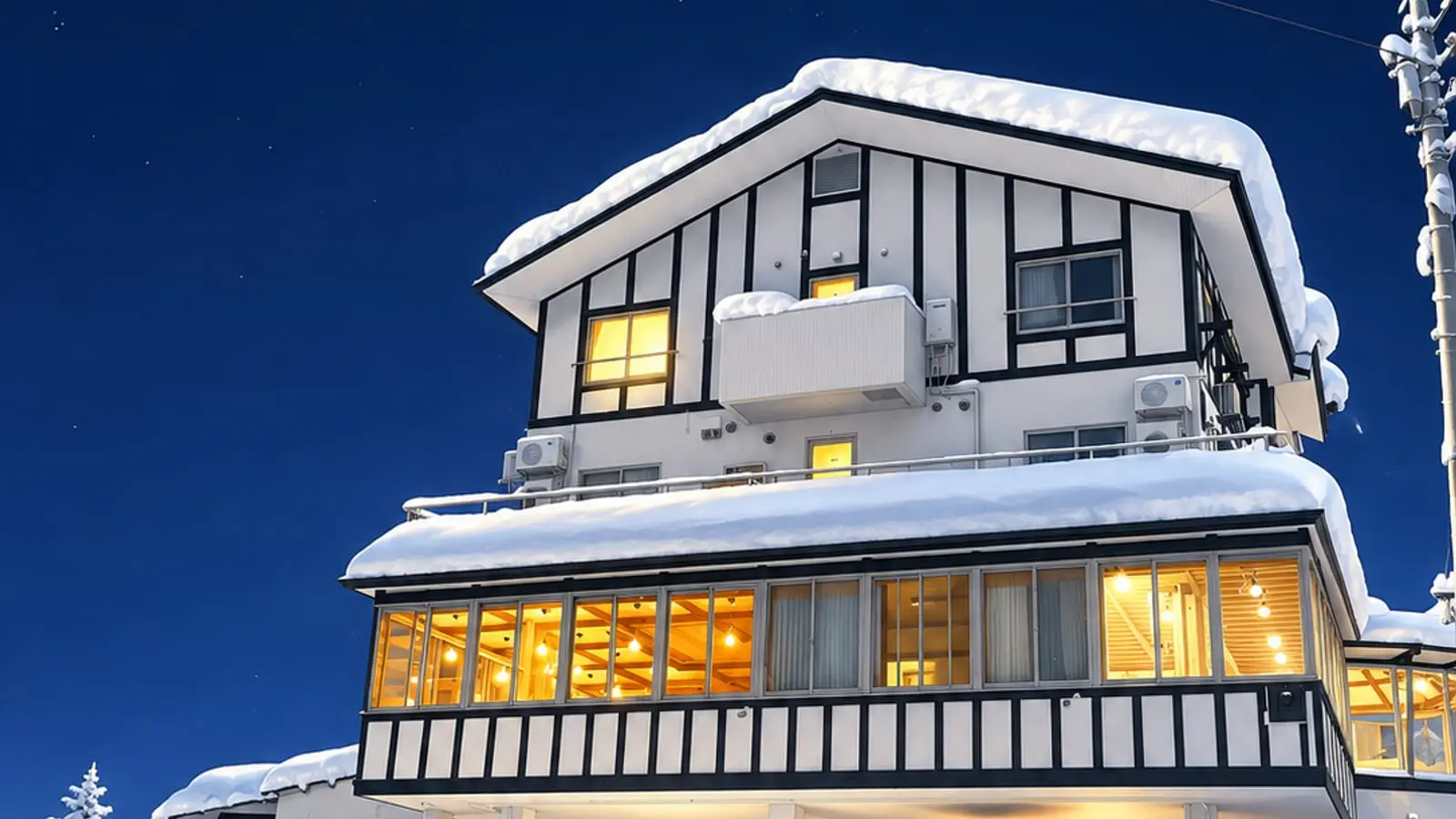
Zao Kokusai Hotel Yamagata
Very good · 1.2k reviews
👍Why we like it
Moments from the lifts in Zao Onsen, so you can ski back to the door and skip the morning queues.
Guests rate this hotel as very good (4.3/5 from 1,177 reviews). A mid-range option for Zao Onsen, with live nightly rates shown for your exact dates so you always see the best price.
Ratings from Google, prices indicative per night. Live availability and rates via our booking partners.
Ski-in/ski-out
Most Zao Onsen ryokan sit in the historic spring town, a short walk or shuttle from the lift bases at Yokokura, Uwanodai and Zao Sanroku. A handful of slope-side hotels offer genuine ski-in ski-out, but the village charm is the reason you came.
Get to know the resort
Zao Onsen is unlike anywhere else in Japan. The mountain rises behind a sulphur-spring village said to date back roughly 1900 years, with a labyrinth of small wooden streets, steaming public baths and milky-blue rotenburo. Above town, the Zao Ropeway climbs to Mt Jizo at 1660 m, into the wind-blasted realm of the juhyo: Maries fir trees so plastered in rime and snow that they bend into the famous snow monsters, eerie at dawn, floodlit and unforgettable at night.
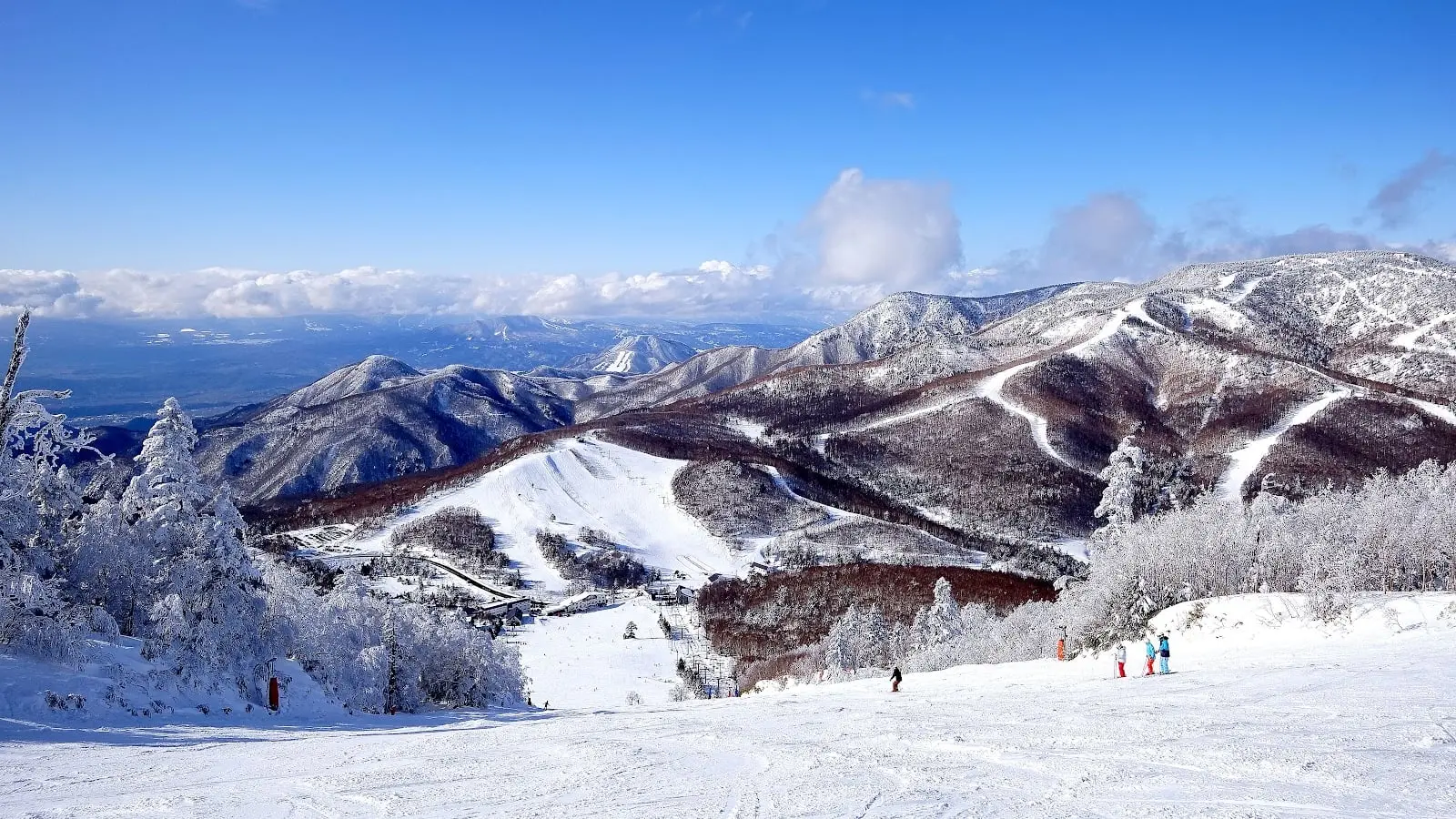
The ski area itself spreads across forty kilometres of piste, with thirty-six lifts knitting together gentle bowls at Yokokura and Paradise, longer fall-line runs from Jizo, and the steep, often misty pitches under the ropeway. The vibe is Tohoku through and through: regional Yamagata cuisine, soba and imoni stew, fewer foreign visitors than Nagano, and a quiet, slightly mystical feel. It suits travellers who want classic onsen culture, an unmistakable scene and powder days under skeletal white trees.
Good to know
The terrain is well balanced: 11 green, 12 blue, 10 red and 5 black runs, which suits a mixed group skiing together at different levels.
With a base at 855 m climbing to 1660 m, snow reliability is among the best on our index (score 90/100).
It is a compact resort, 41 km of piste on 36 lifts, best as a day trip or a relaxed short break rather than a week-long base.
The lifts typically turn for about 21 weeks a season, planning around late January to late February tends to land the most reliable cover.
Hotels in Zao Onsen
Hotels and apartments around the lifts. Compare prices on Booking, Expedia and Hotels.com.
Zao Onsen offers 41 km of pistes across 36 lifts, from 855 m to 1660 m. Whether it suits beginners depends on the dedicated learner zones at the base of the slopes, so check the local ski-school options for green and blue run access.
When is the best time to ski Zao Onsen?+
The season runs from Dec 7 to May 6, with a snow score of 90/100. Snow is usually most reliable in the heart of that window, deep in winter, while the closing weeks bring longer days and softer afternoon snow.
Where should I stay for true ski-in/ski-out?+
Most Zao Onsen ryokan sit in the historic spring town, a short walk or shuttle from the lift bases at Yokokura, Uwanodai and Zao Sanroku. A handful of slope-side hotels offer genuine ski-in ski-out, but the village charm is the reason you came.
How big is the Zao Onsen ski area?+
Zao Onsen has 41 km of marked pistes served by 36 lifts, between 855 m and 1660 m of altitude.
Is Zao Onsen more for beginners or experts?+
Zao Onsen counts about 38 marked runs in total. The colour breakdown above shows how they split by difficulty, a good guide to whether the resort fits your level.
Ski resorts near Zao Onsen
The closest alternatives, an easy switch if dates or hotels are tight.