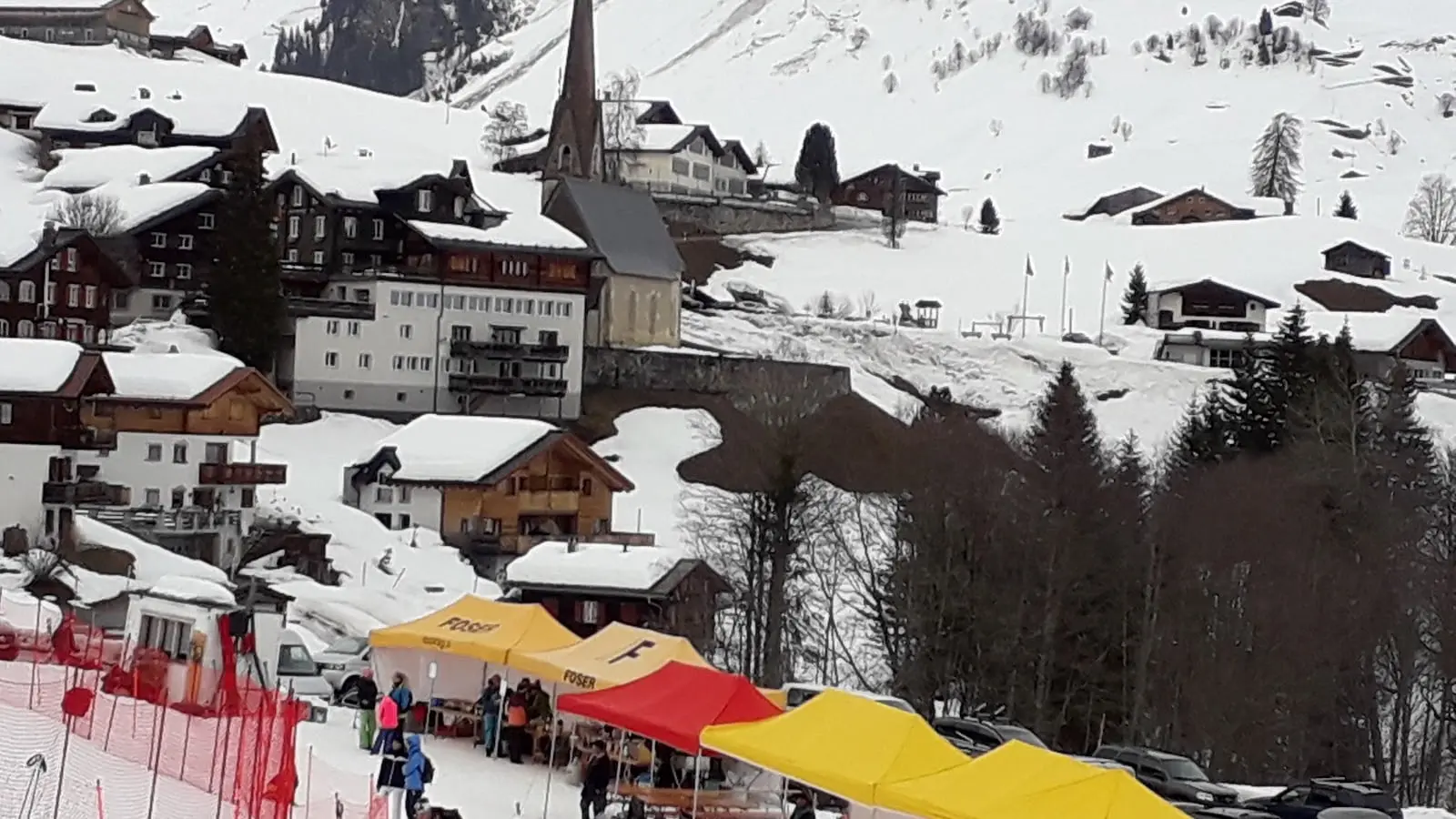
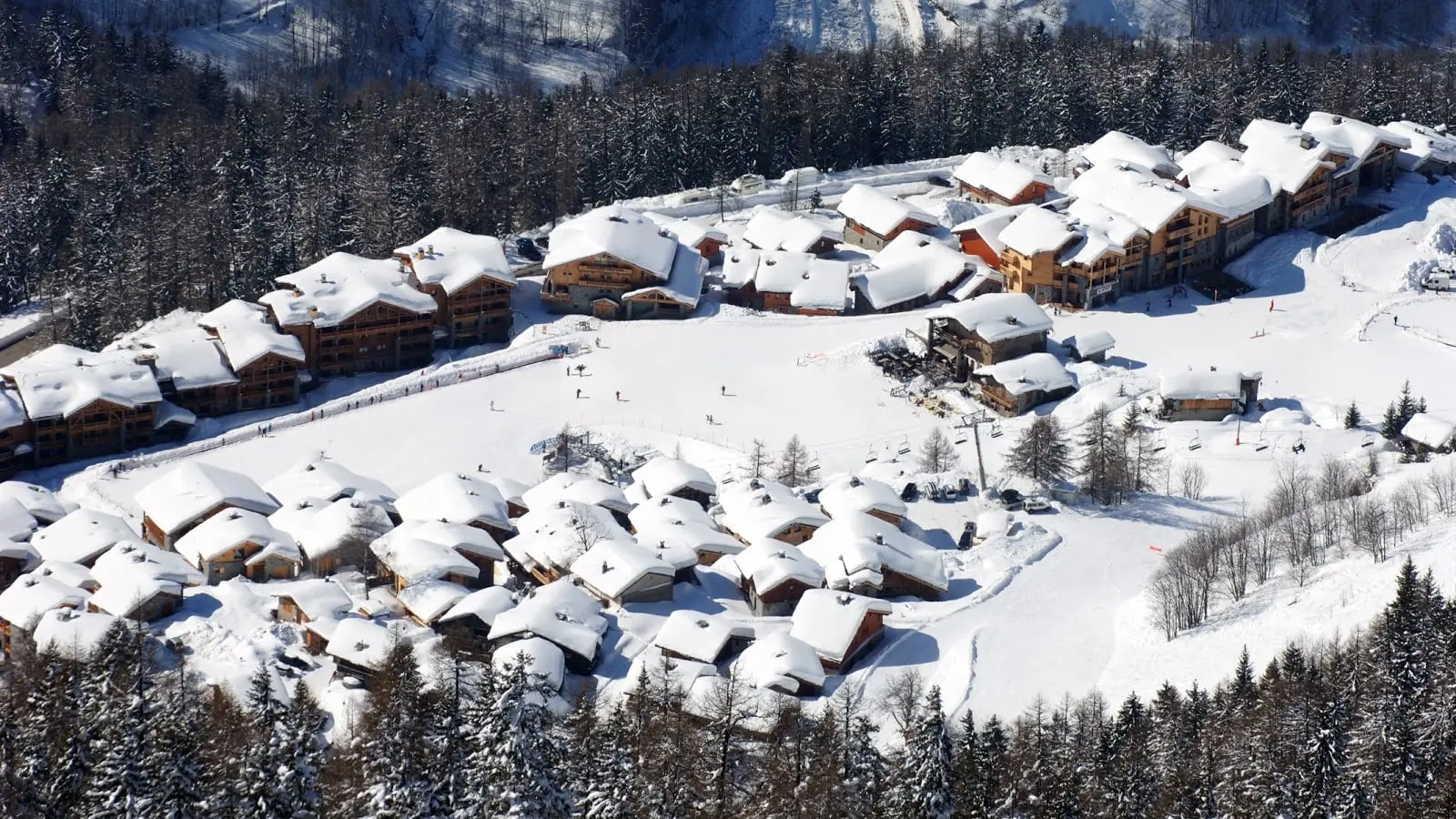
The road into Tschiertschen does not lead anywhere else. It climbs out of Chur, switchbacks up through the forest, and ends at a 1,340 m balcony where 250 people live in dark wooden Walser houses. There is no through traffic, no apartment block built in the 1970s, no second cable car running into a neighbouring valley: this is one of the last small Graubünden villages that still feels like a village, and the ski area has been left in proportion to it.
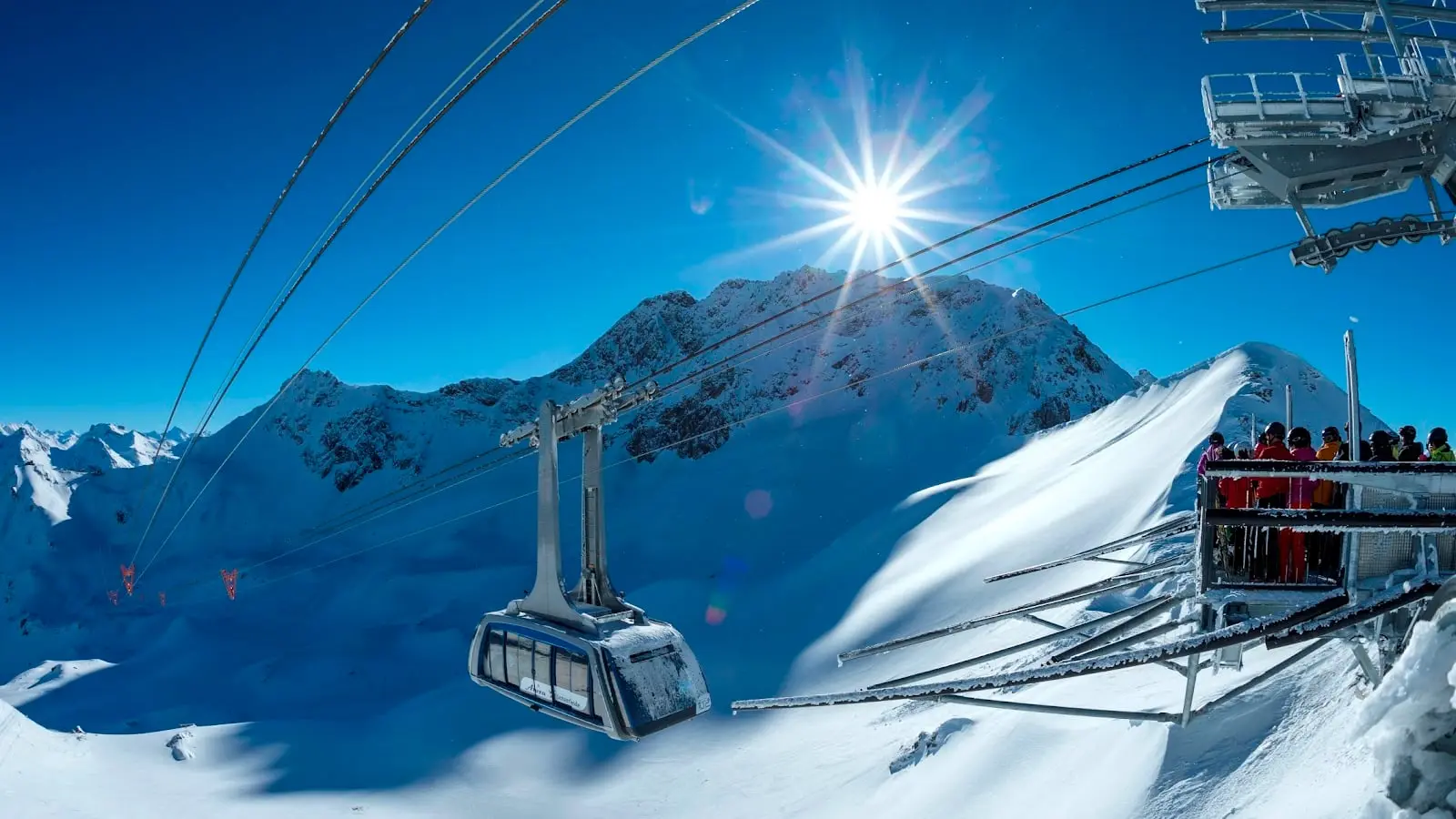
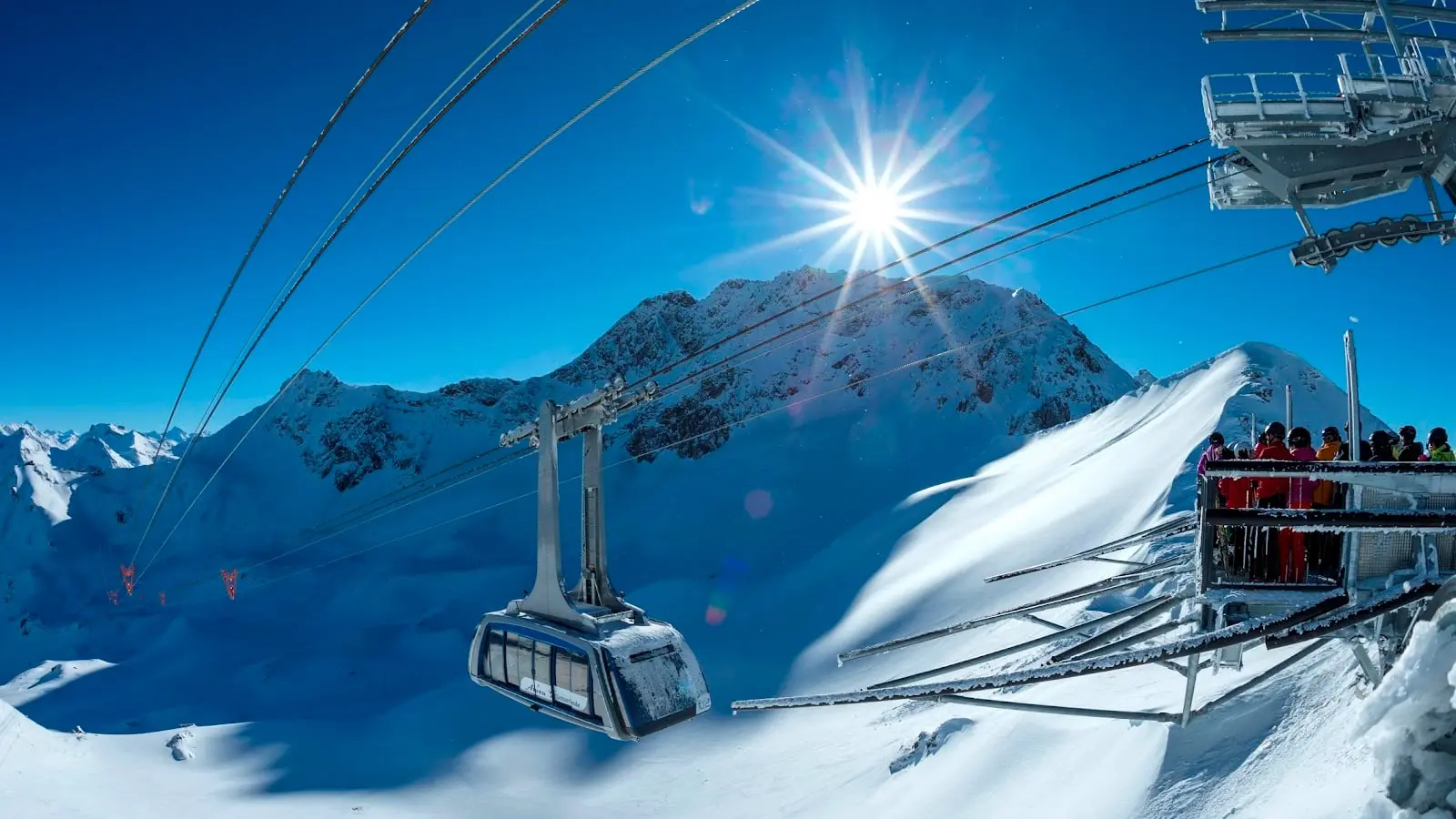
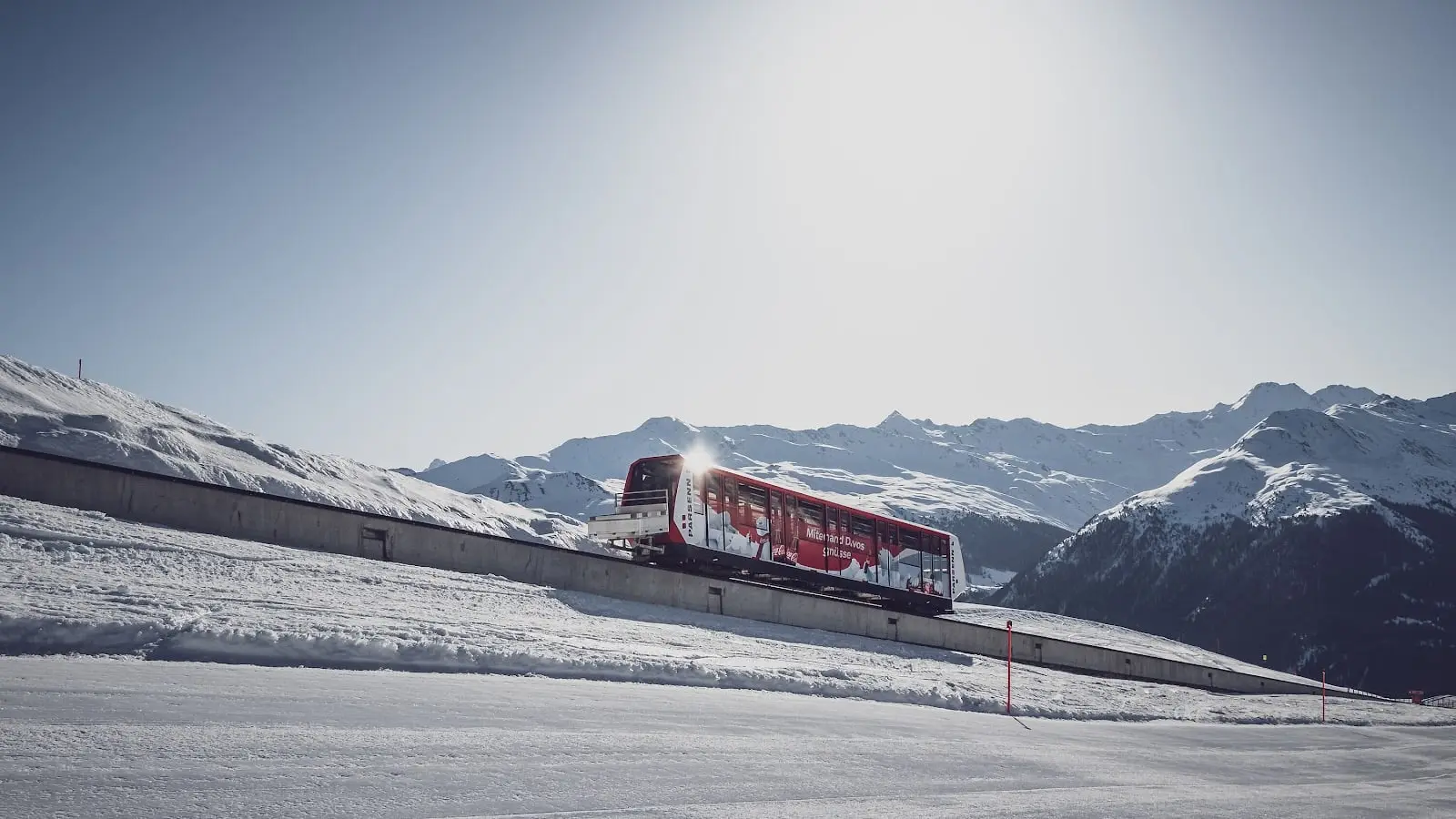
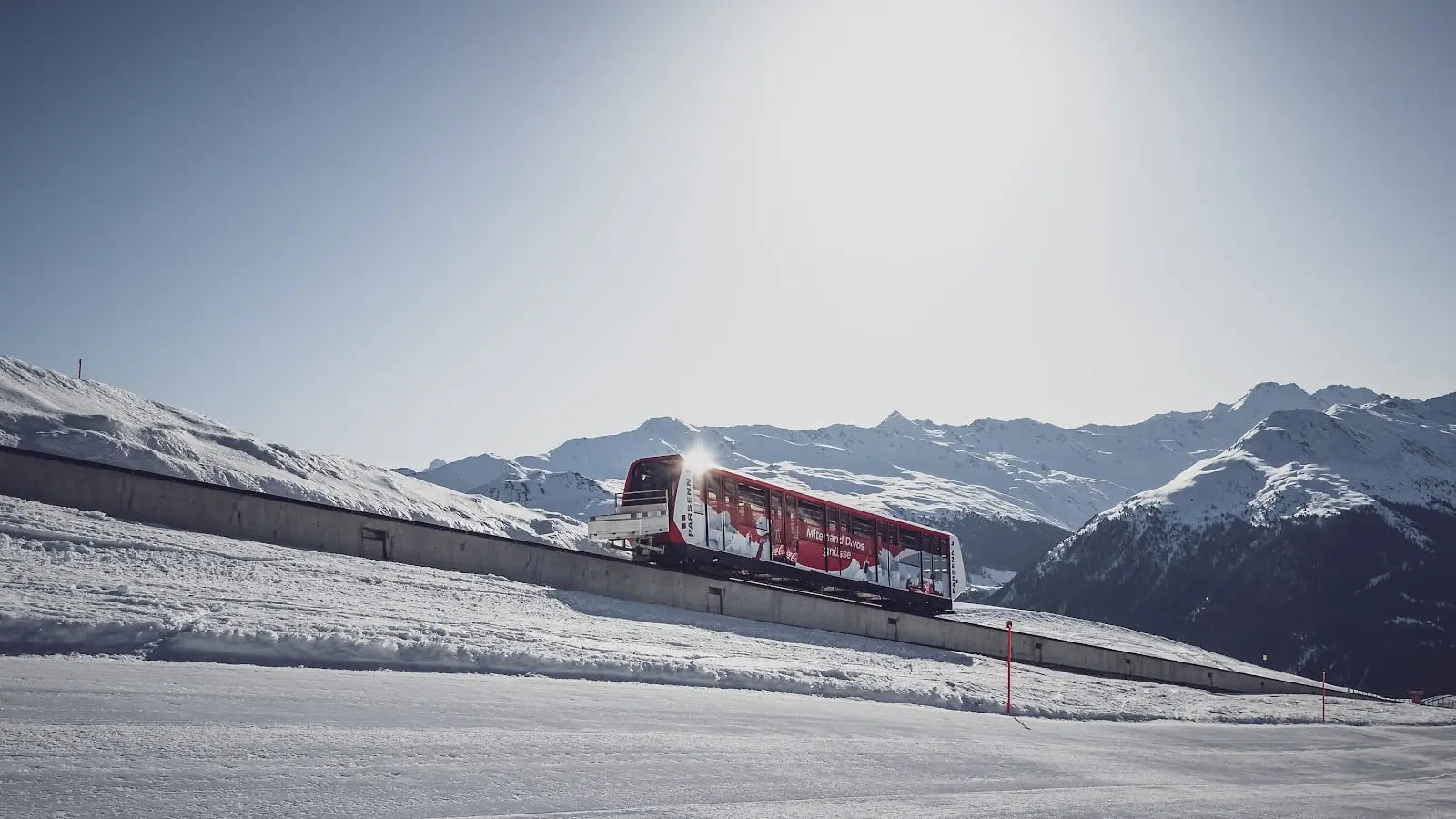
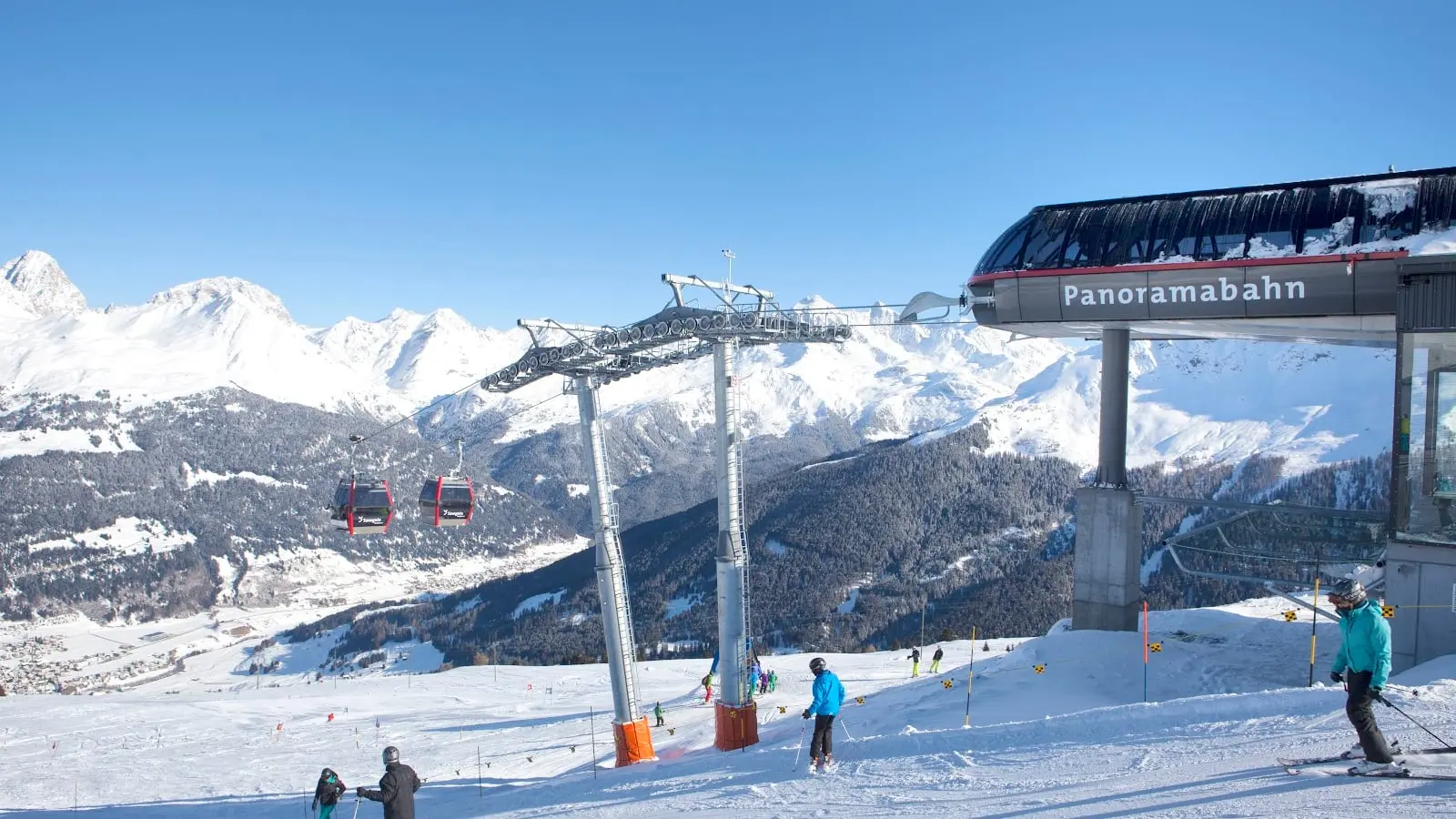
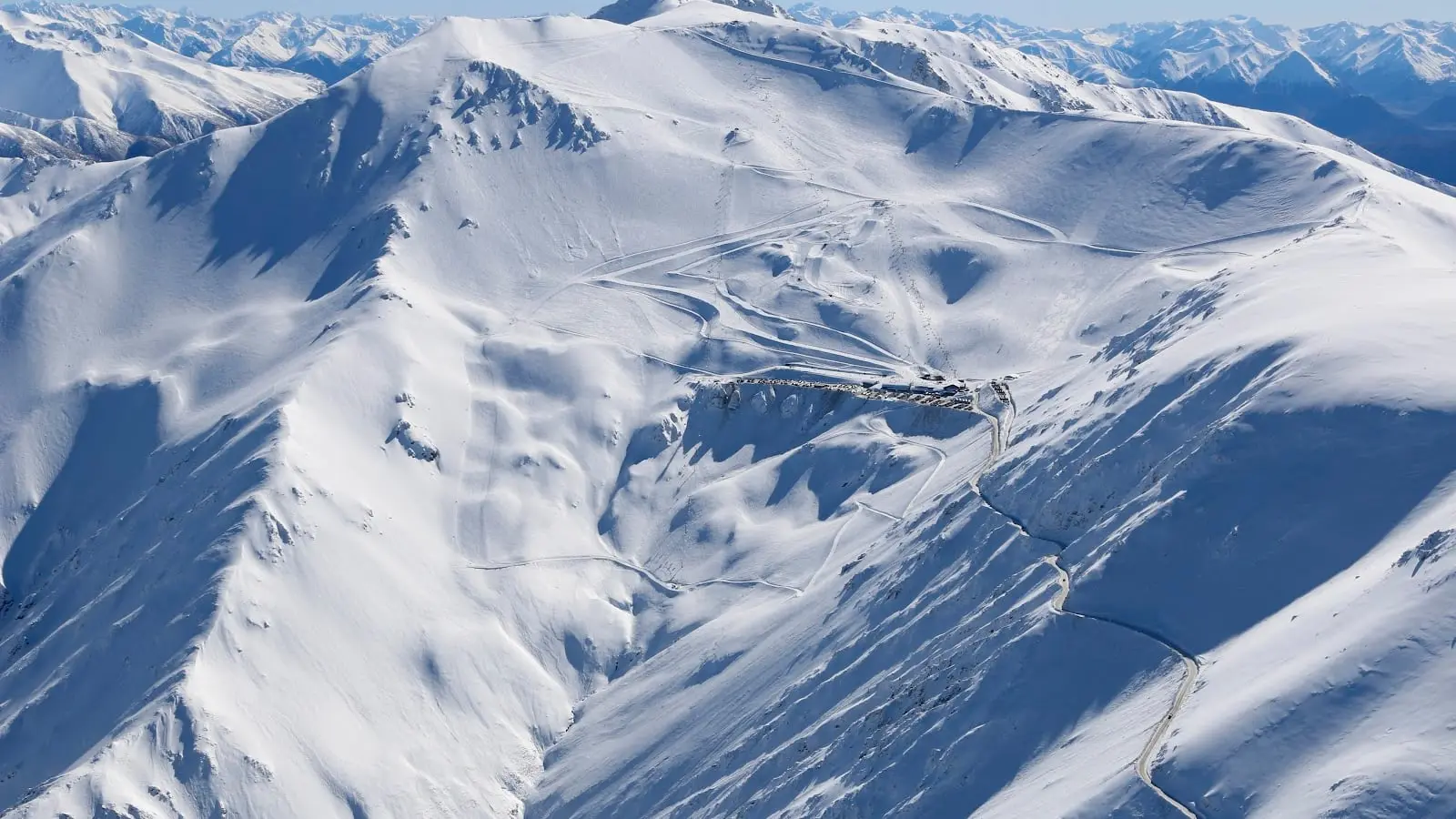
The lift-served terrain is concentrated on the Furggabüel above the village, 26 km of piste served by five lifts, topping out at around 2,100 m. The pistes themselves are honest: blues that flatter intermediates, reds that turn serious in poor light, two or three blacks that justify the colour. But that is not really what people are here for. Tschiertschen has a reputation, quietly held by a small constellation of Zurich and Chur skiers, as one of the best lift-served freeride mountains in eastern Switzerland. The Schalfegg face, the Geissamatta couloirs and the back-of-the-mountain itinerary down toward Praden absorb fresh snow beautifully and are tracked out far more slowly than at famous resorts: a midweek powder day here, with a 9 a.m. first chair and lunch in the village, is something the regulars guard carefully.
The village answers in kind. There is no resort centre, only a handful of inns, a tiny grocery, ski racks leaning against 400-year-old Walser barns. You stay in a wooden room with thick walls, you walk to the lift, you eat where the locals eat, and you spend nothing on lift-queue cafes because there are not any. For a certain kind of skier this is the best ski-resort formula in Graubünden, and they would rather you did not write about it.