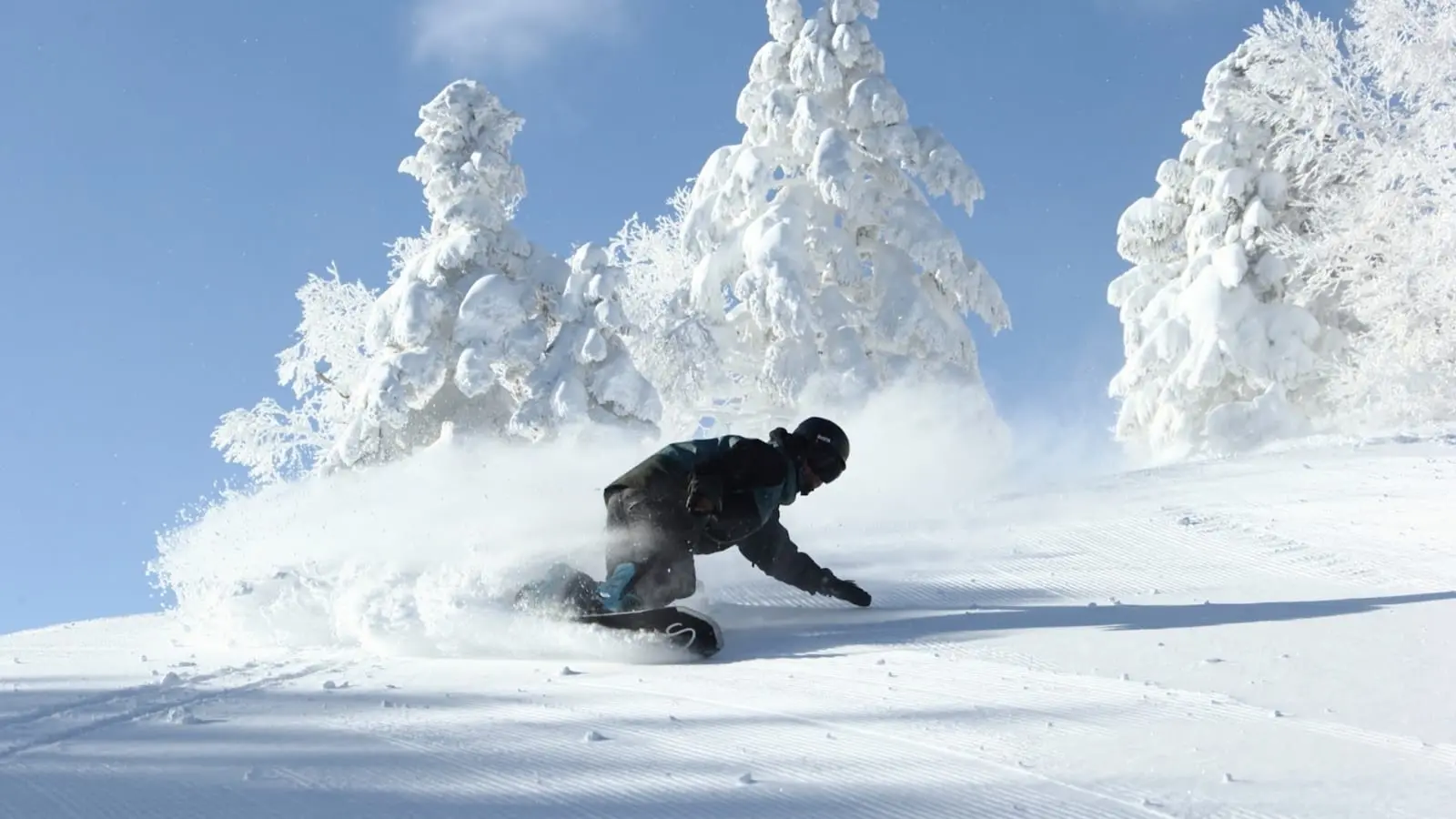
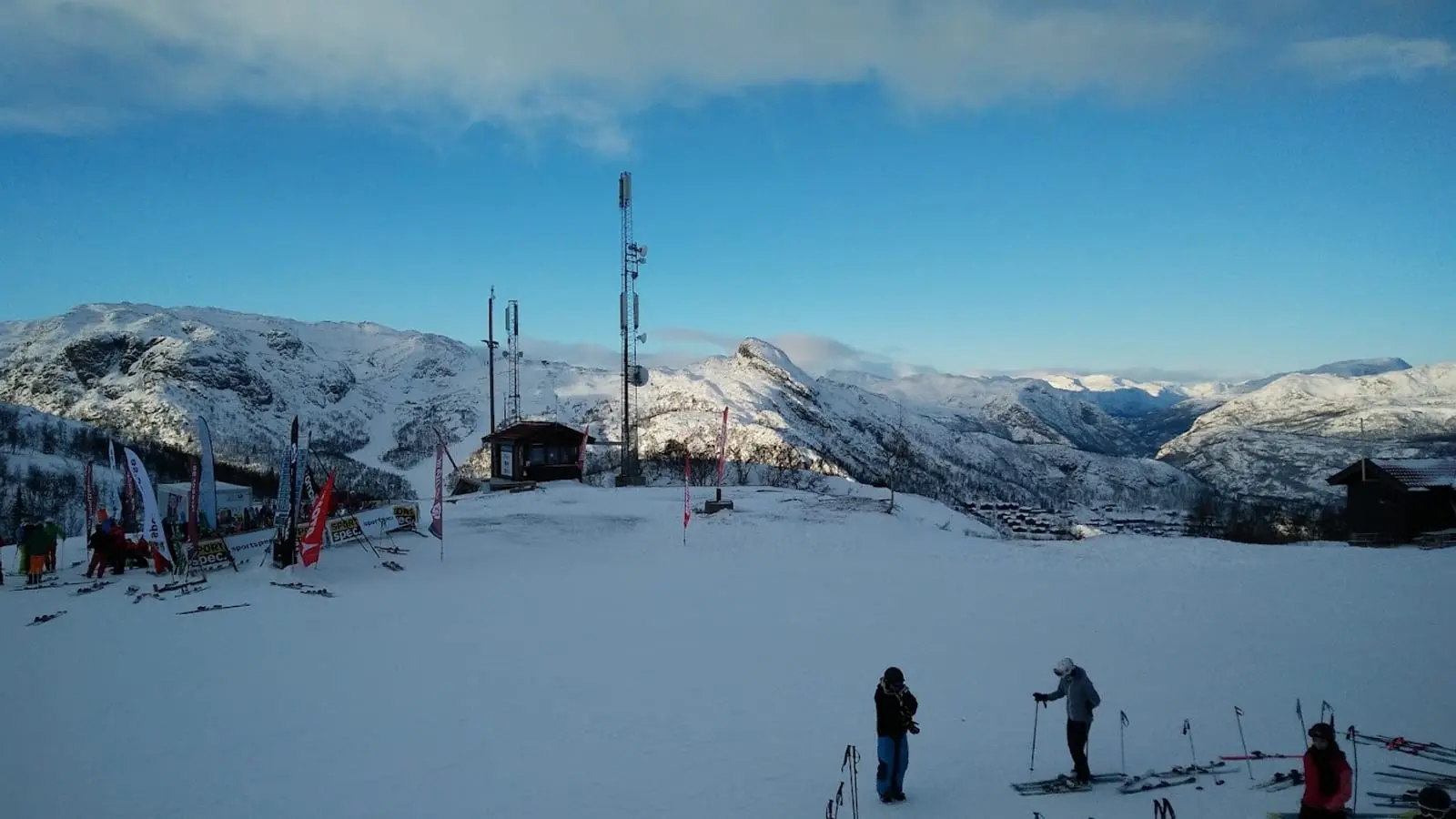
Furano sits dead-centre on Hokkaido, far enough inland to escape the coastal moisture and produce what locals quietly insist is the driest snow in Japan. Lavender fields in July, japow up to the knees in February, a working agricultural town that doubles as a ski resort: this is the Hokkaido that never made the powder magazine covers, and is all the better for it.
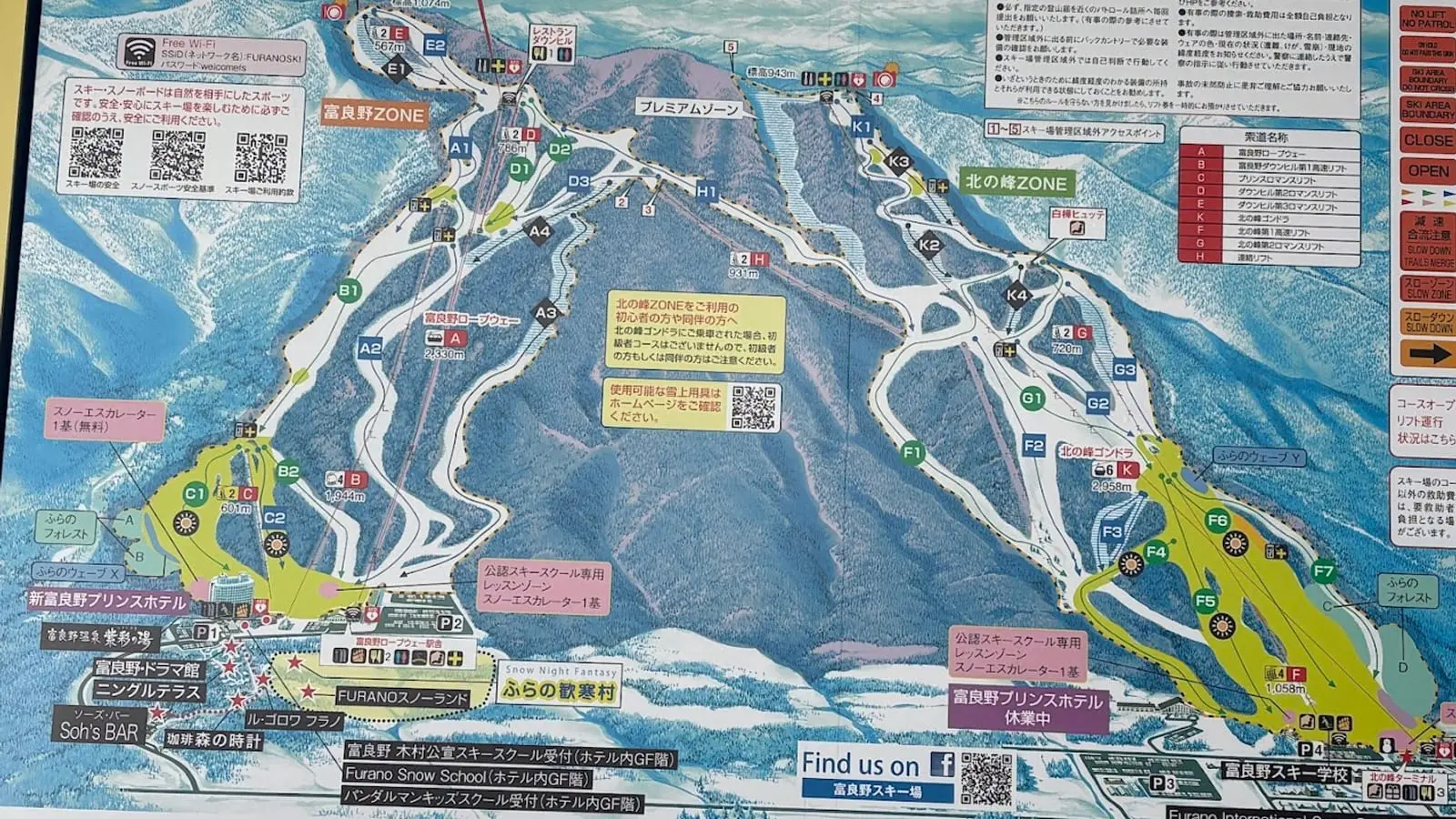
Furano is a ski resort with genuine ski-in/ski-out hotels in Japan, in the Hokkaido. The village sits at 234 m and the lifts top out at 1074 m, with 25 km of pistes and 11 lifts. Its BestSnowHotels snow score is 92/100, and the season usually runs Nov 25 → May 5.
Run counts and piste kilometres are indicative. Green runs only exist in France, Spain, Andorra, Norway, Sweden, Finland, Japan, the United States, Morocco, Algeria, Lesotho, South Africa, Egypt, Canada, South Korea, Australia, New Zealand and Chile; Italy, Austria, Switzerland and Germany start at blue. Indicative average snow depth near the top of the resort, in cm.
Where to stay
A handful of well-rated hotels in and around the resort. Pick one, then compare live prices across Booking, Expedia and Hotels.com.
4.51.5k reviews
€145
★ Top pick
La Vista Furano Hills
Very good · 1.5k reviews
👍Why we like it
Strong value for Furano, with a high guest rating that punches above its nightly price.
Guests rate this hotel as very good (4.5/5 from 1,473 reviews). A mid-range option for Furano, with live nightly rates shown for your exact dates so you always see the best price.
Ratings from Google, prices indicative per night. Live availability and rates via our booking partners.
Ski-in/ski-out
Genuine ski-in ski-out is limited to the Furano Prince and New Furano Prince at the Kitanomine and Furano base areas. Hotels in central Furano town are a ten-minute shuttle ride from the lifts.
Get to know the resort
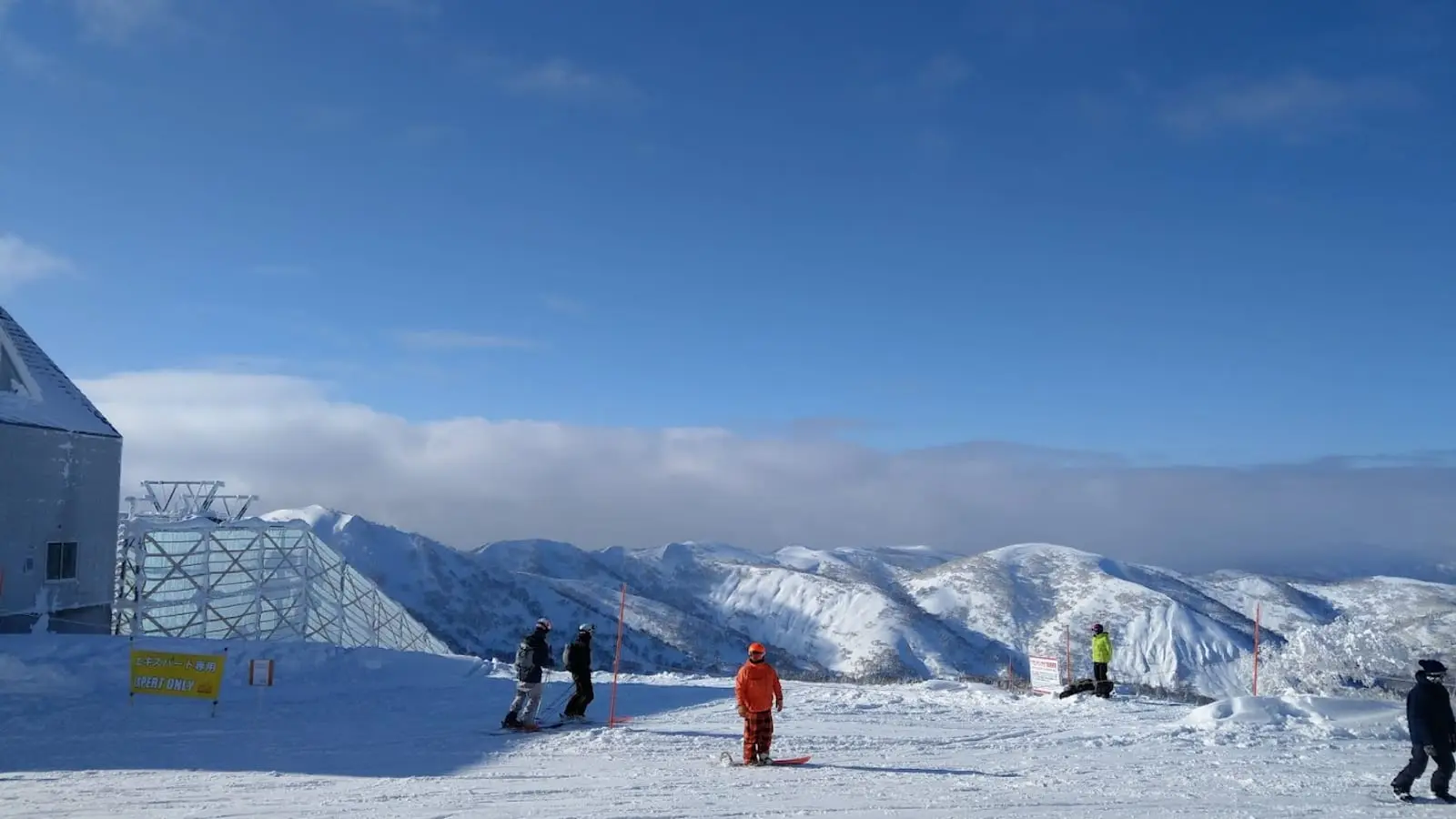
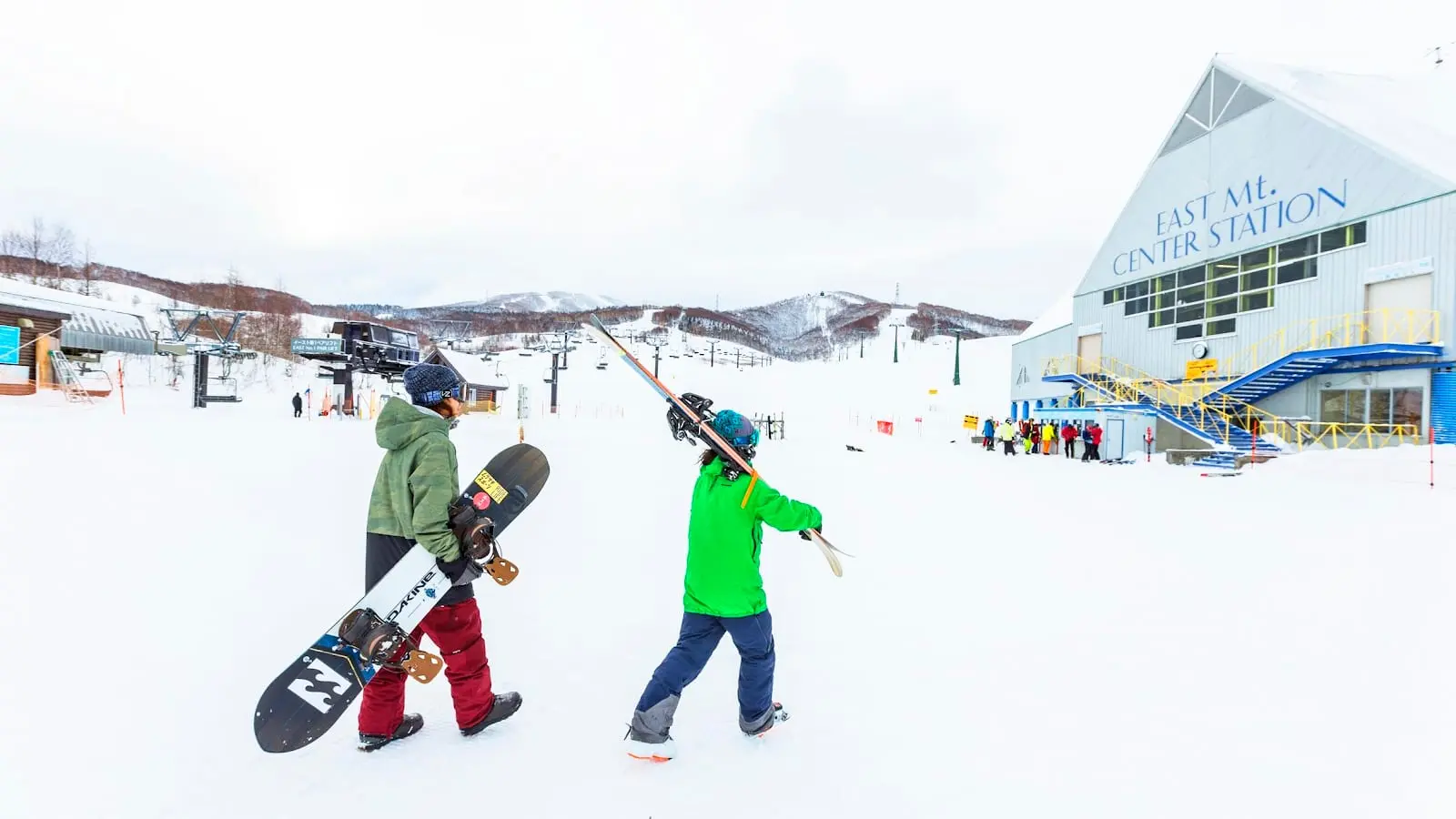
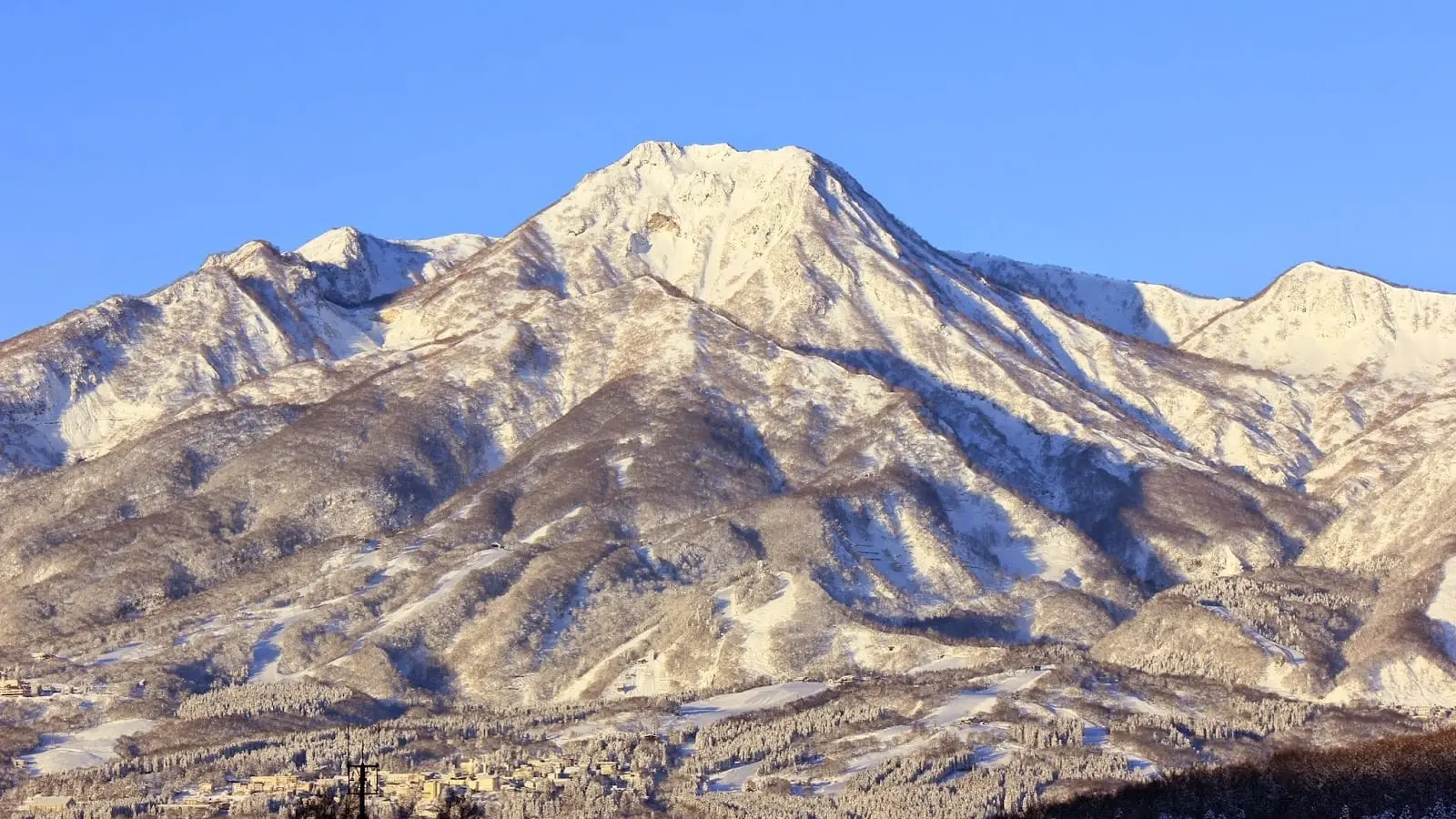
The skiing splits between the Kitanomine and Furano zones, linked at altitude on the same Mount Kitanomine massif, with twenty-five kilometres of pistes that lean confidently towards the blue and red end of the spectrum. The grooming is meticulous, an old habit from Furano's years on the World Cup giant slalom circuit, and the ropeway out of the base lifts you 900 vertical metres in a single bite. Below the lifts, mellow forests of birch and Sakhalin spruce hide quiet sidecountry stashes that hold powder for days after a storm because so few people come here.
The town itself, ten minutes by bus from the base, is the real selling point. Sake breweries, soup curry counters, melon farms, a covered shopping street and surprisingly good wine from the Furano basin make for an après-ski culture that has nothing to do with imported alpine clichés. Families and lower-intermediate skiers find Furano gentler than Niseko; experts find pockets of untouched japow within the resort boundary that would already be tracked out by 9am elsewhere. New Chitose airport sits roughly two and a half hours away via the JR Furano-Biei Norokko line.
Good to know
The terrain is well balanced: 7 green, 6 blue, 7 red and 3 black runs, which suits a mixed group skiing together at different levels.
With a base at 234 m climbing to 1074 m, snow reliability is among the best on our index (score 92/100).
It is a compact resort, 25 km of piste on 11 lifts, best as a day trip or a relaxed short break rather than a week-long base.
The lifts typically turn for about 23 weeks a season, planning around late January to late February tends to land the most reliable cover.
Hotels in Furano
Hotels and apartments around the lifts. Compare prices on Booking, Expedia and Hotels.com.
Furano offers 25 km of pistes across 11 lifts, from 234 m to 1074 m. Whether it suits beginners depends on the dedicated learner zones at the base of the slopes, so check the local ski-school options for green and blue run access.
When is the best time to ski Furano?+
The season runs from Nov 25 to May 5, with a snow score of 92/100. Snow is usually most reliable in the heart of that window, deep in winter, while the closing weeks bring longer days and softer afternoon snow.
Where should I stay for true ski-in/ski-out?+
Genuine ski-in ski-out is limited to the Furano Prince and New Furano Prince at the Kitanomine and Furano base areas. Hotels in central Furano town are a ten-minute shuttle ride from the lifts.
How big is the Furano ski area?+
Furano has 25 km of marked pistes served by 11 lifts, between 234 m and 1074 m of altitude.
Is Furano more for beginners or experts?+
Furano counts about 23 marked runs in total. The colour breakdown above shows how they split by difficulty, a good guide to whether the resort fits your level.
Ski resorts near Furano
The closest alternatives, an easy switch if dates or hotels are tight.