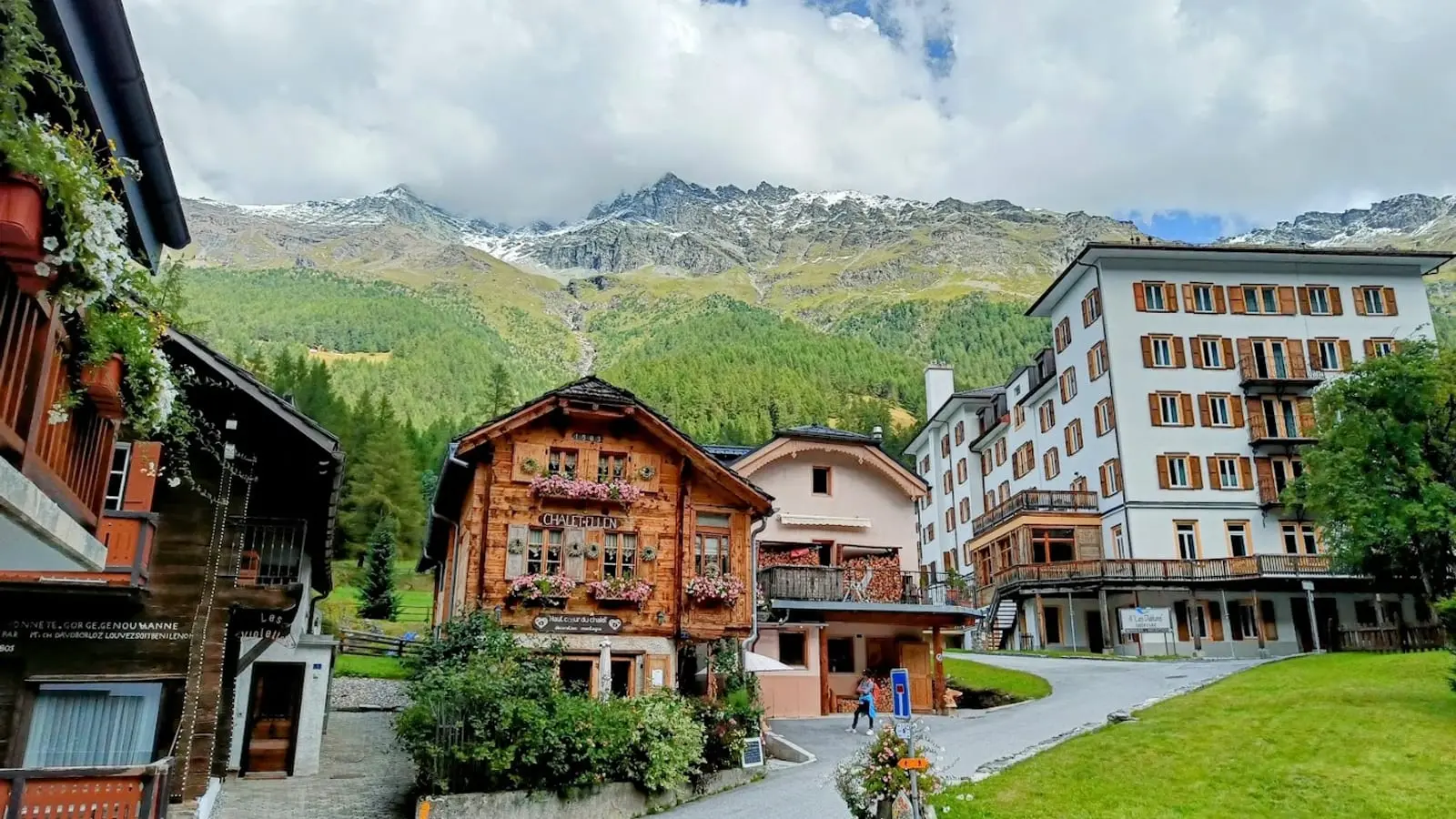
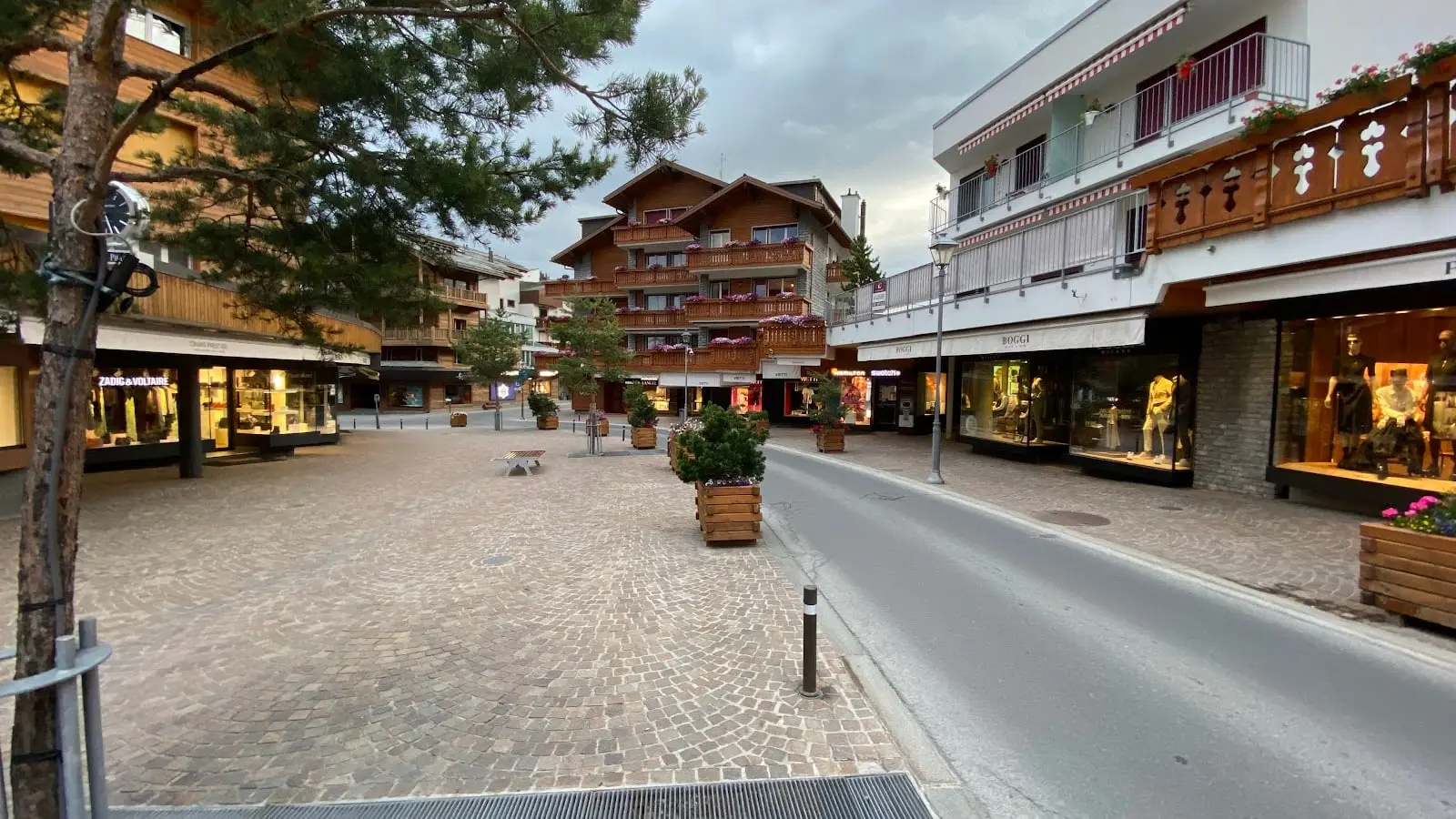
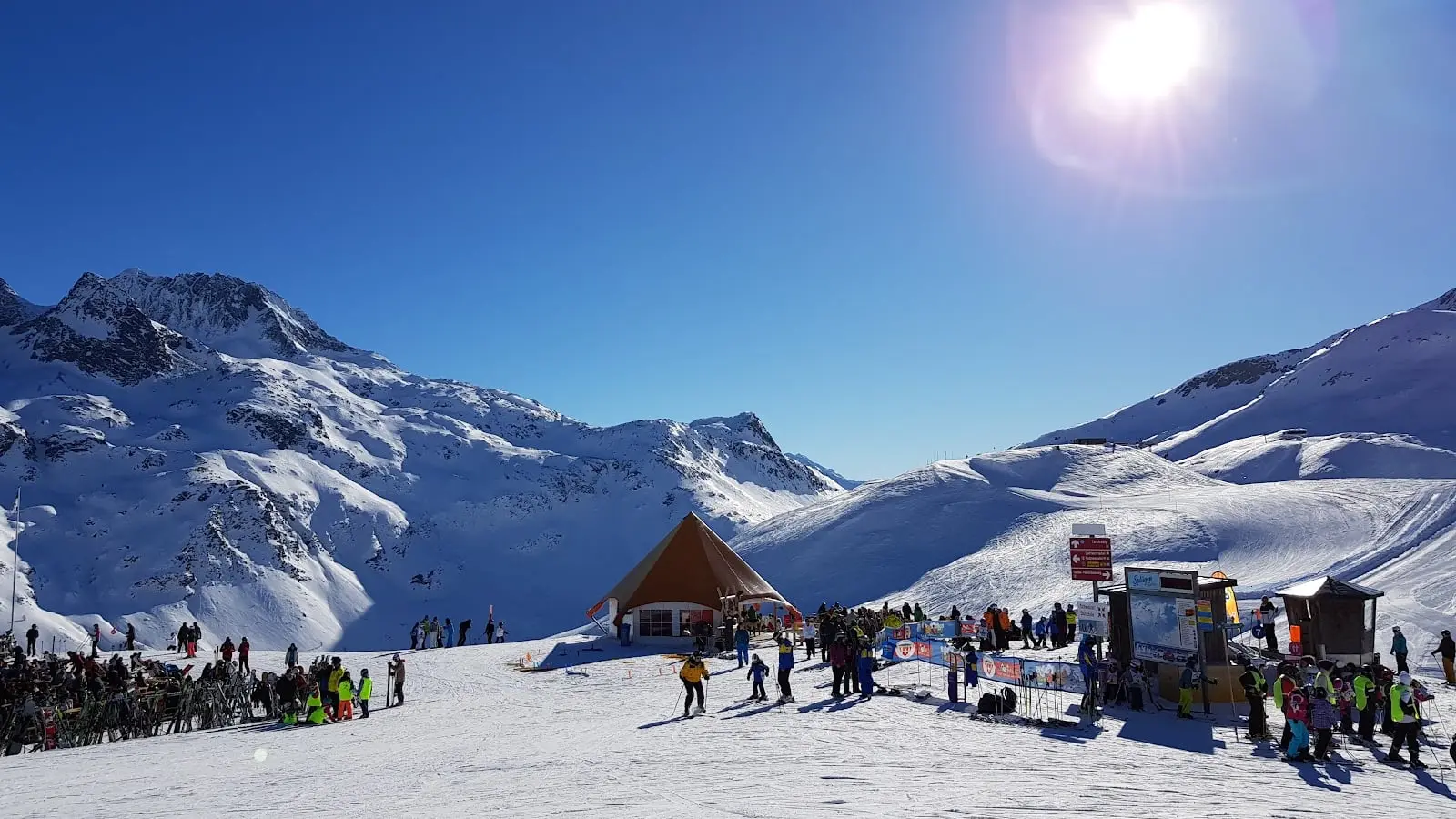
Saint-Luc is one of those Valais villages that you arrive at and then immediately understand why people stayed. The Val d'Anniviers cuts south off the Rhône, climbs sharply through the forests, and opens at 1,675 m onto a sun-drenched balcony at right angles to the high peaks. Saint-Luc is the lower of the two main villages, Chandolin the higher and even sunnier, and both are made of dark wood and stone in the Walser-influenced Anniviard tradition. They are linked by piste and by a single lift pass into a 75 km area that punches well above its weight.
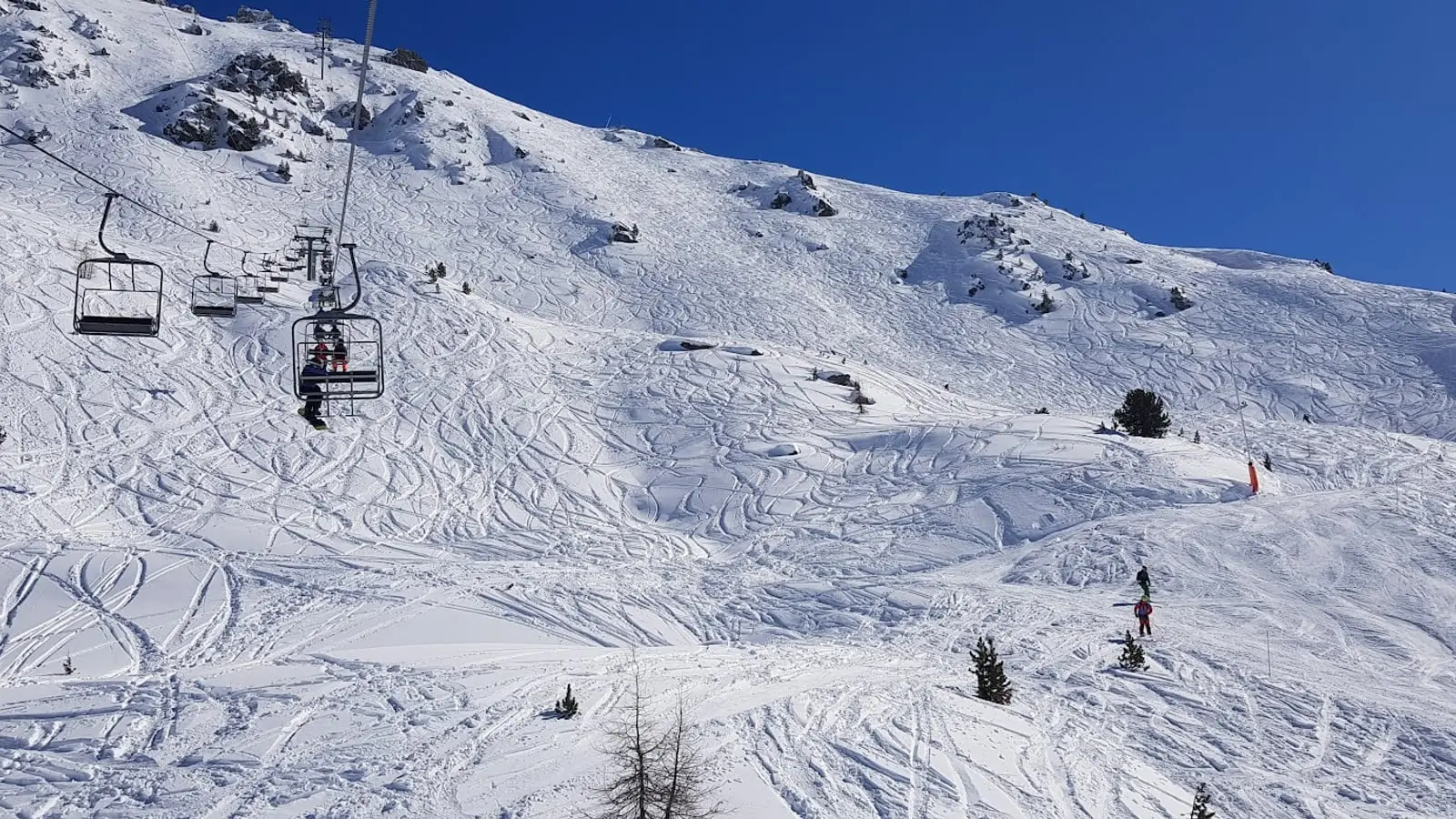
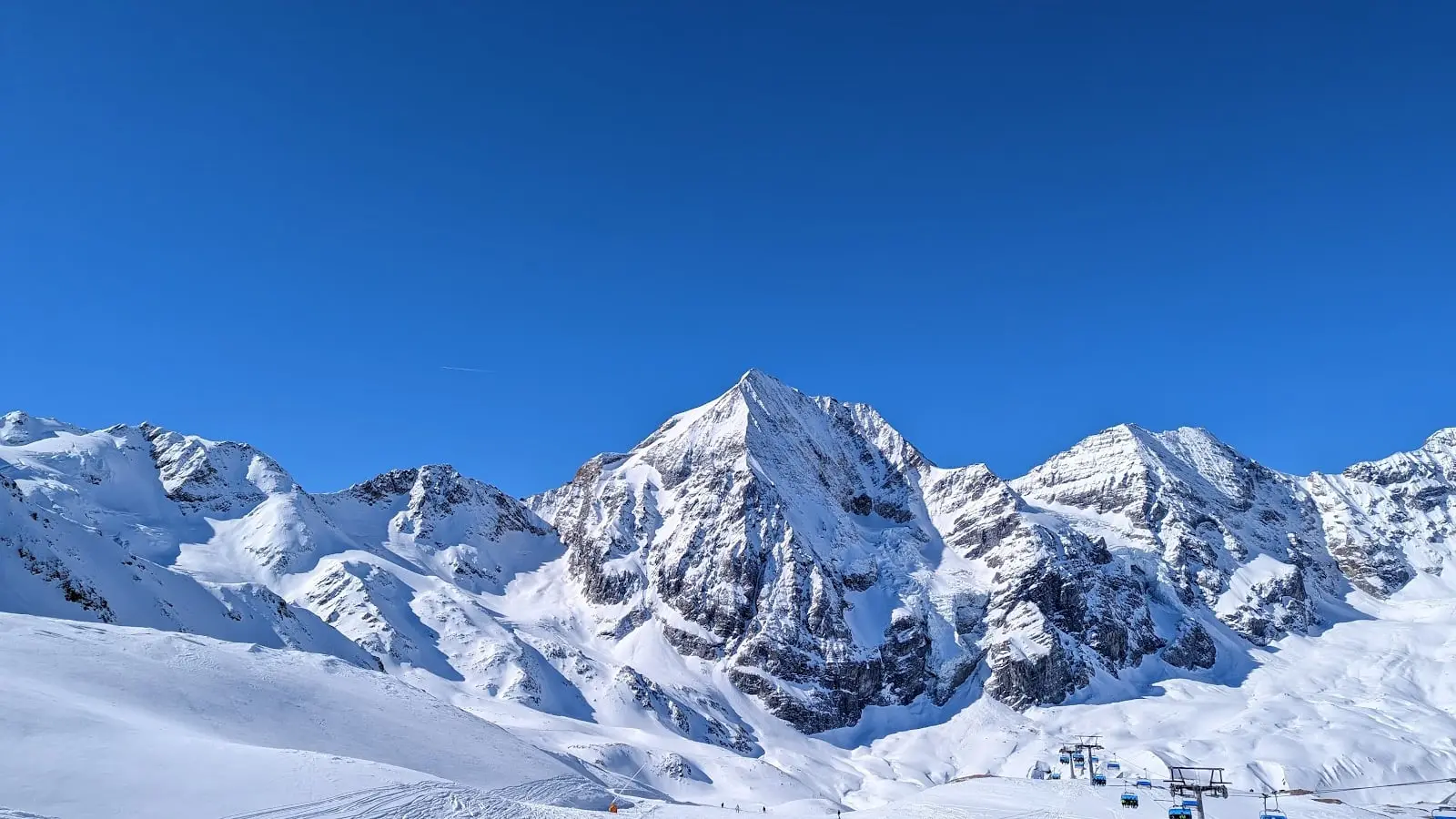
The ski-area architecture is the classic Anniviard one: a funicular from the village (the Tignousa funicular at Saint-Luc) lifts you out of the trees and onto the sun-bowl above, the lifts climb across Bella-Tola, Tignousa and Tsapé to the Pointe de Tounot at 3,000 m, and the long red-and-blue runs come back down toward both Saint-Luc and Chandolin. The high sectors hold genuinely good snow into spring, helped by altitude and north-facing exposures off the Pointe de Tounot, and the lower runs are well covered by snowmaking. With seventy-five kilometres of varied piste, ten of them black, plus serious off-piste in the side bowls, this is a proper big-day area without the prices to match.
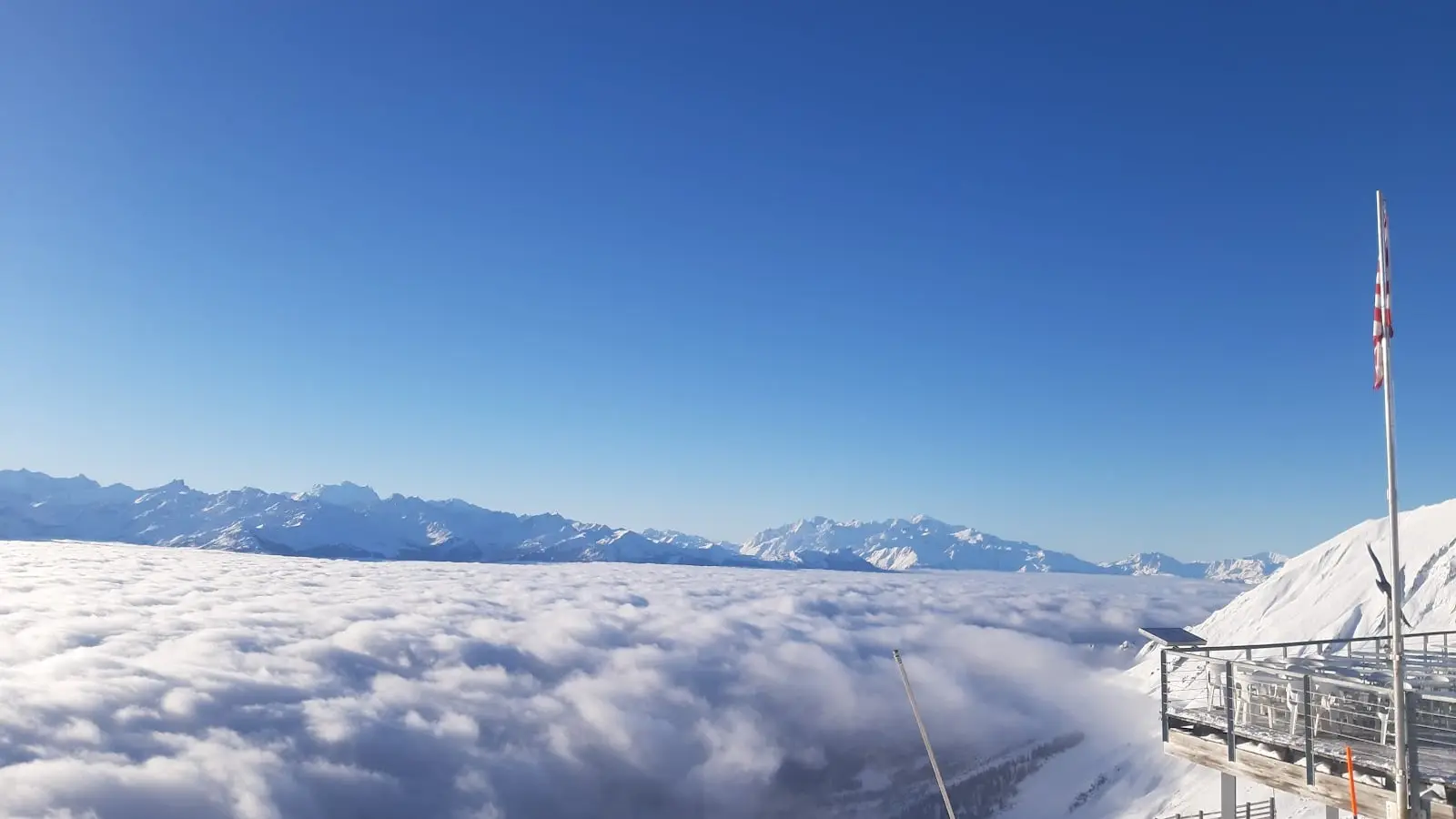
What sets Saint-Luc apart, though, is what you do when you stop. Two things really. The first is the panorama: from the upper lifts and from the chairs back into Tignousa you have a clean line from the Matterhorn through the Dent Blanche to the Weisshorn, the high crest of the southern Valais arranged in front of you like a teaching diagram. The second is the planetary path, a high-altitude walk laid out at the scale of the solar system, which leads to the Observatoire François-Xavier-Bagnoud above Tignousa: an unusual thing to find on a ski mountain, and the only one of its kind in the Alps.