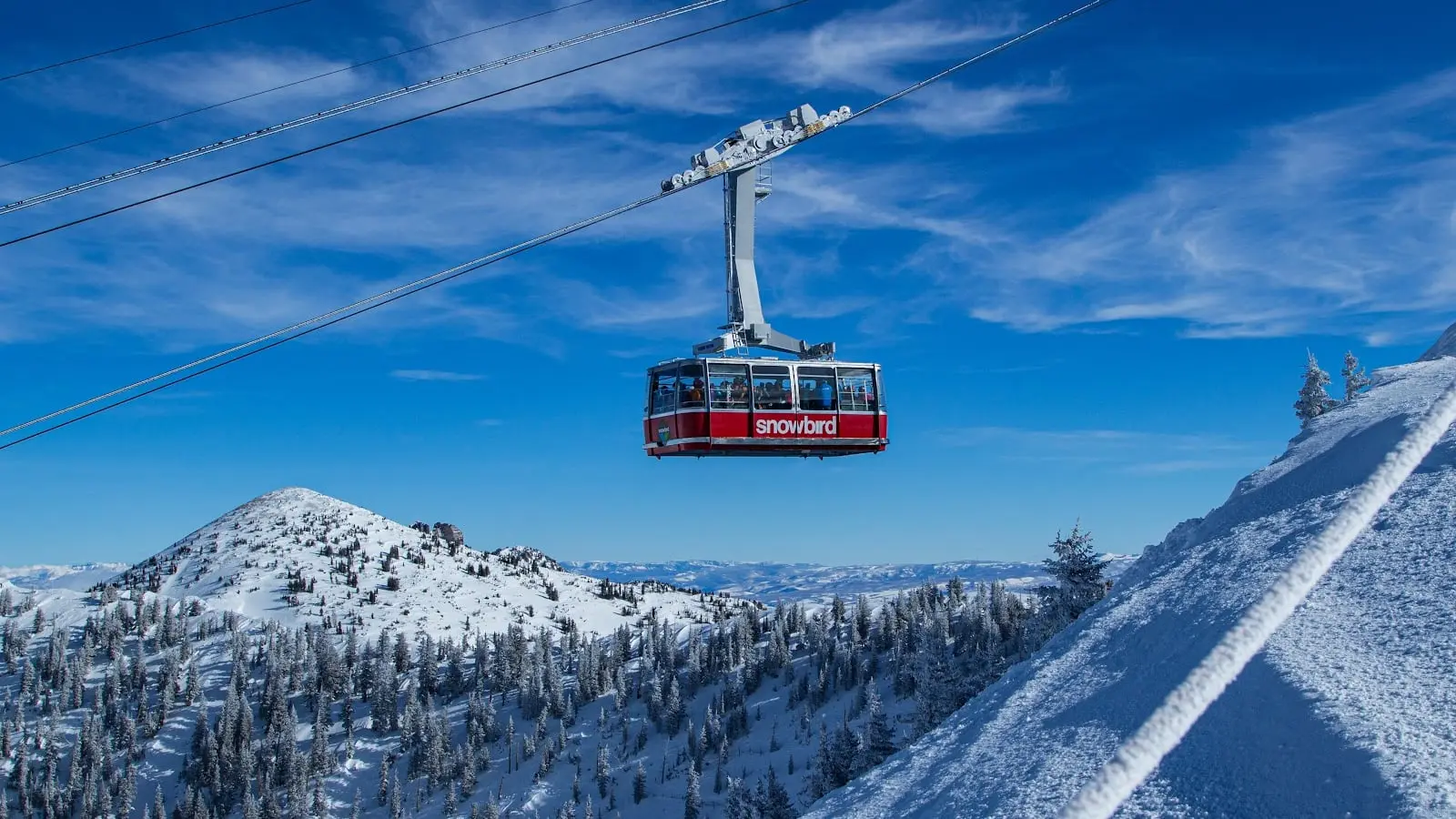
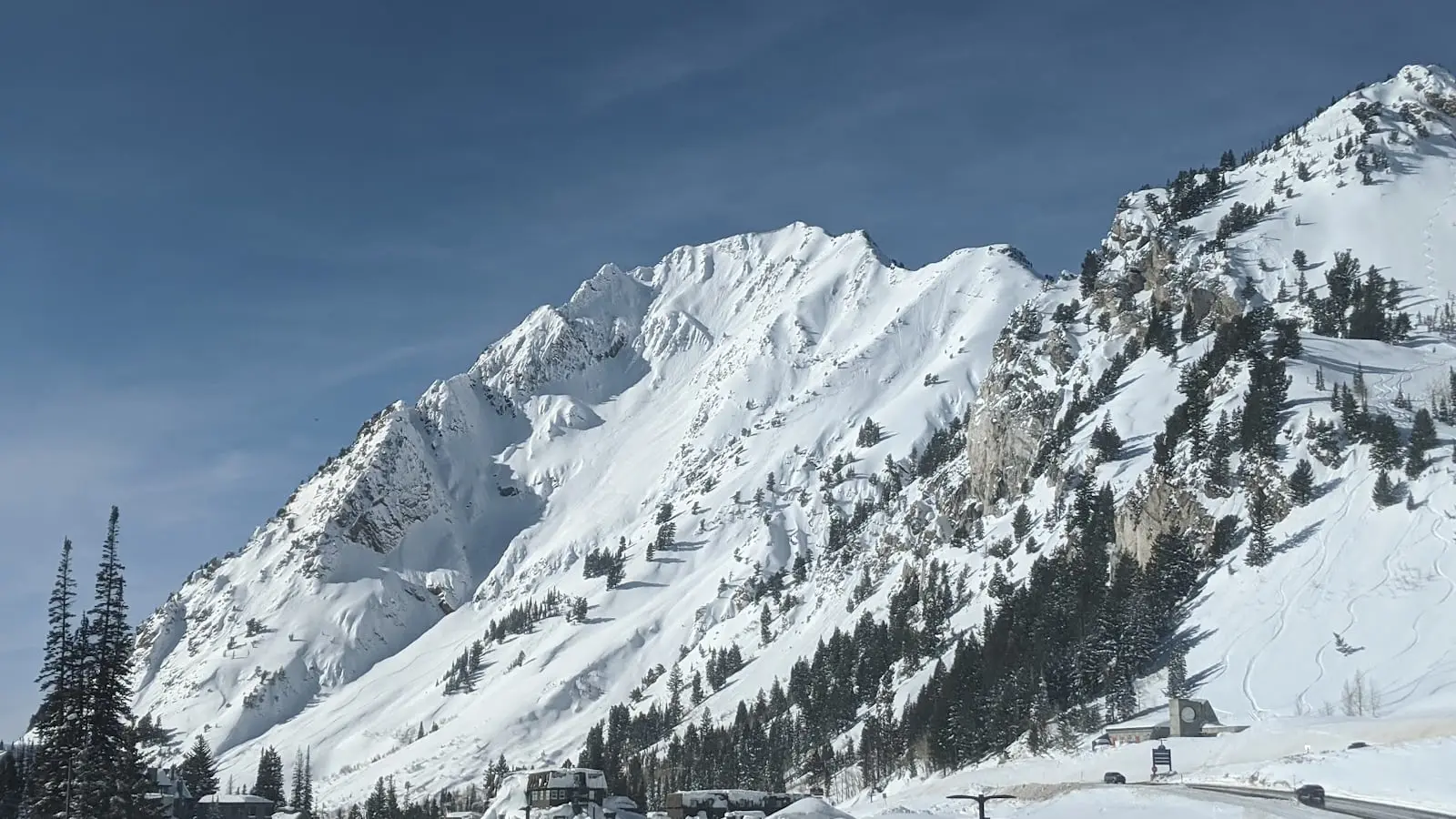
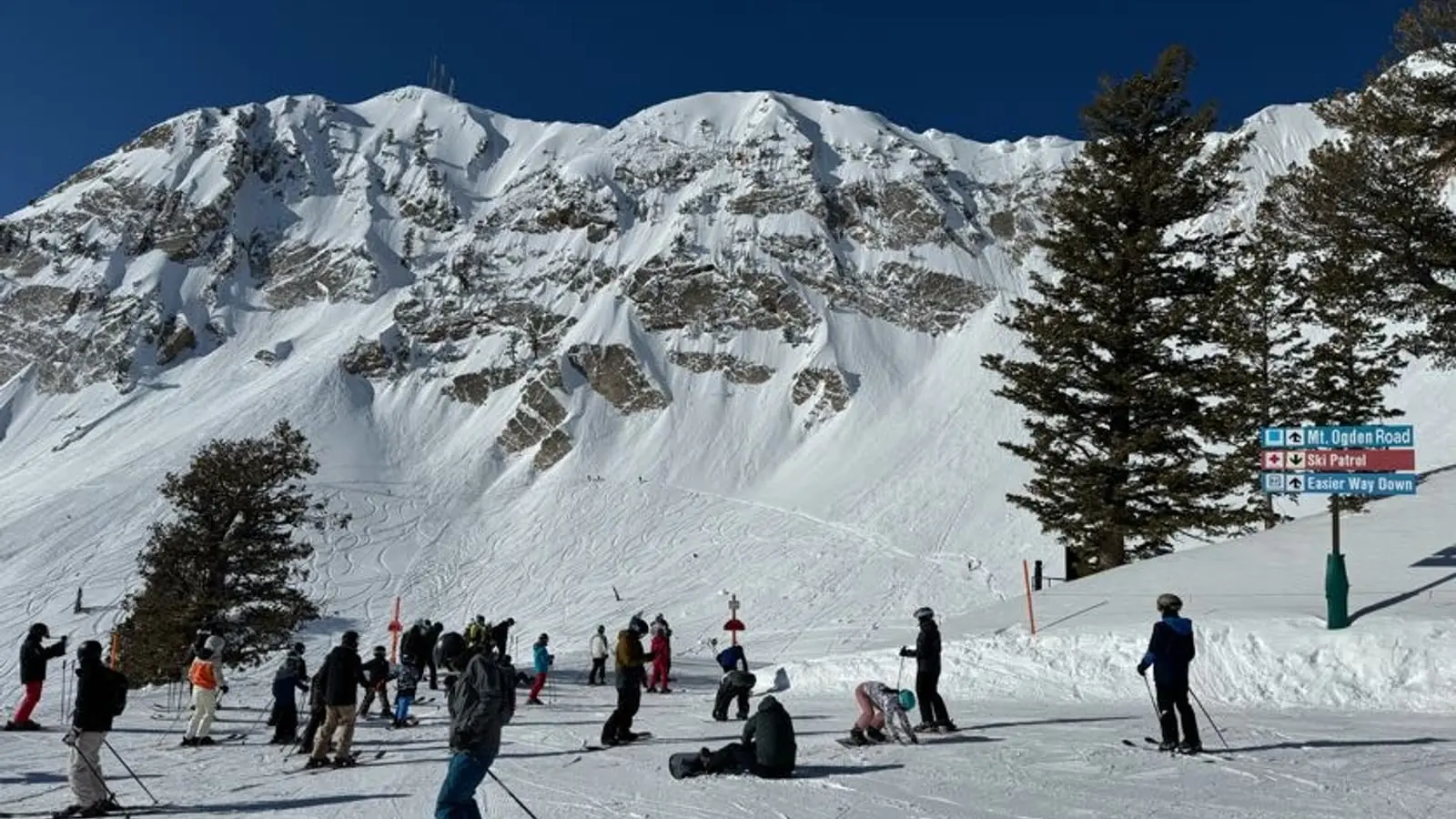
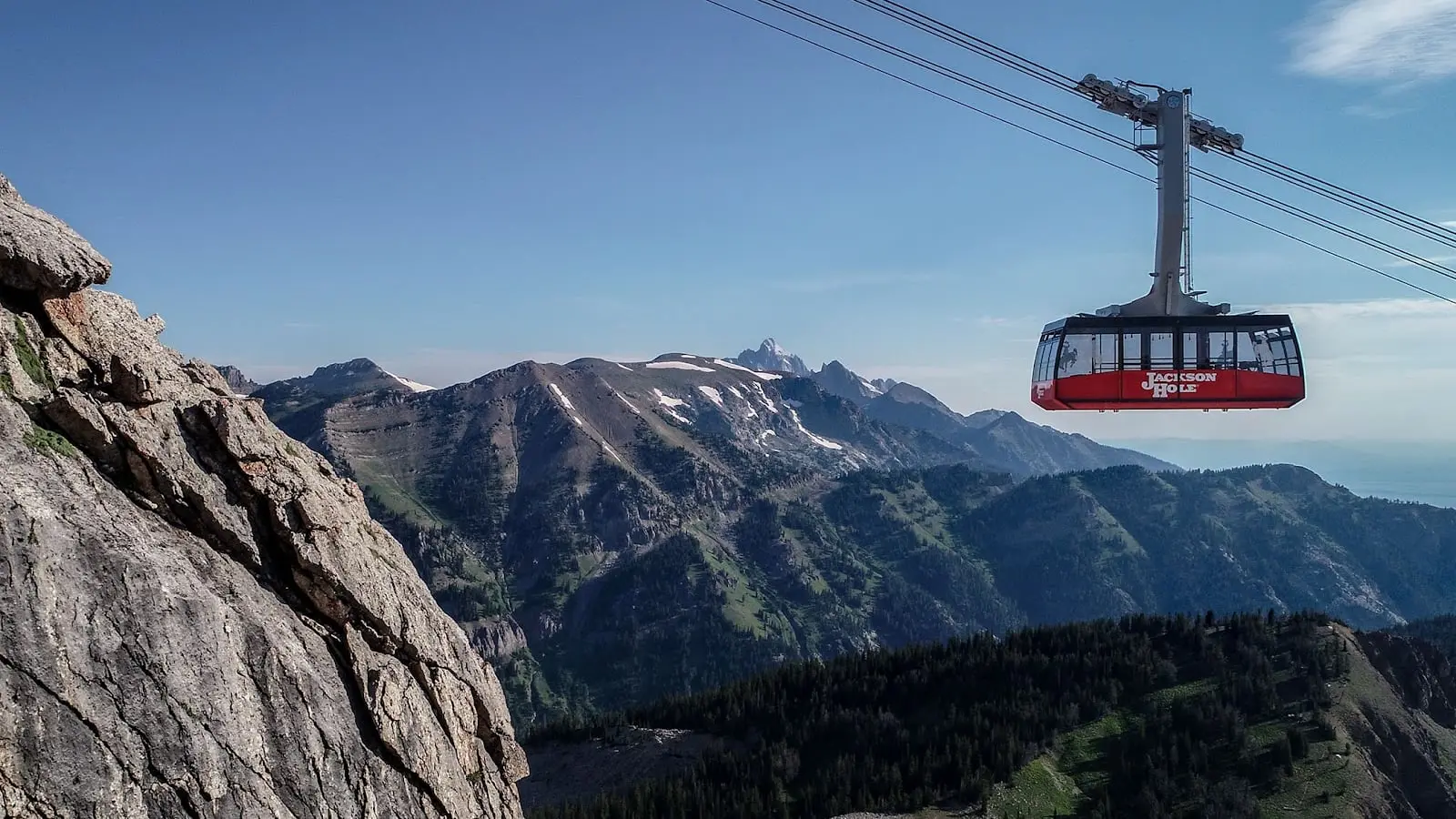
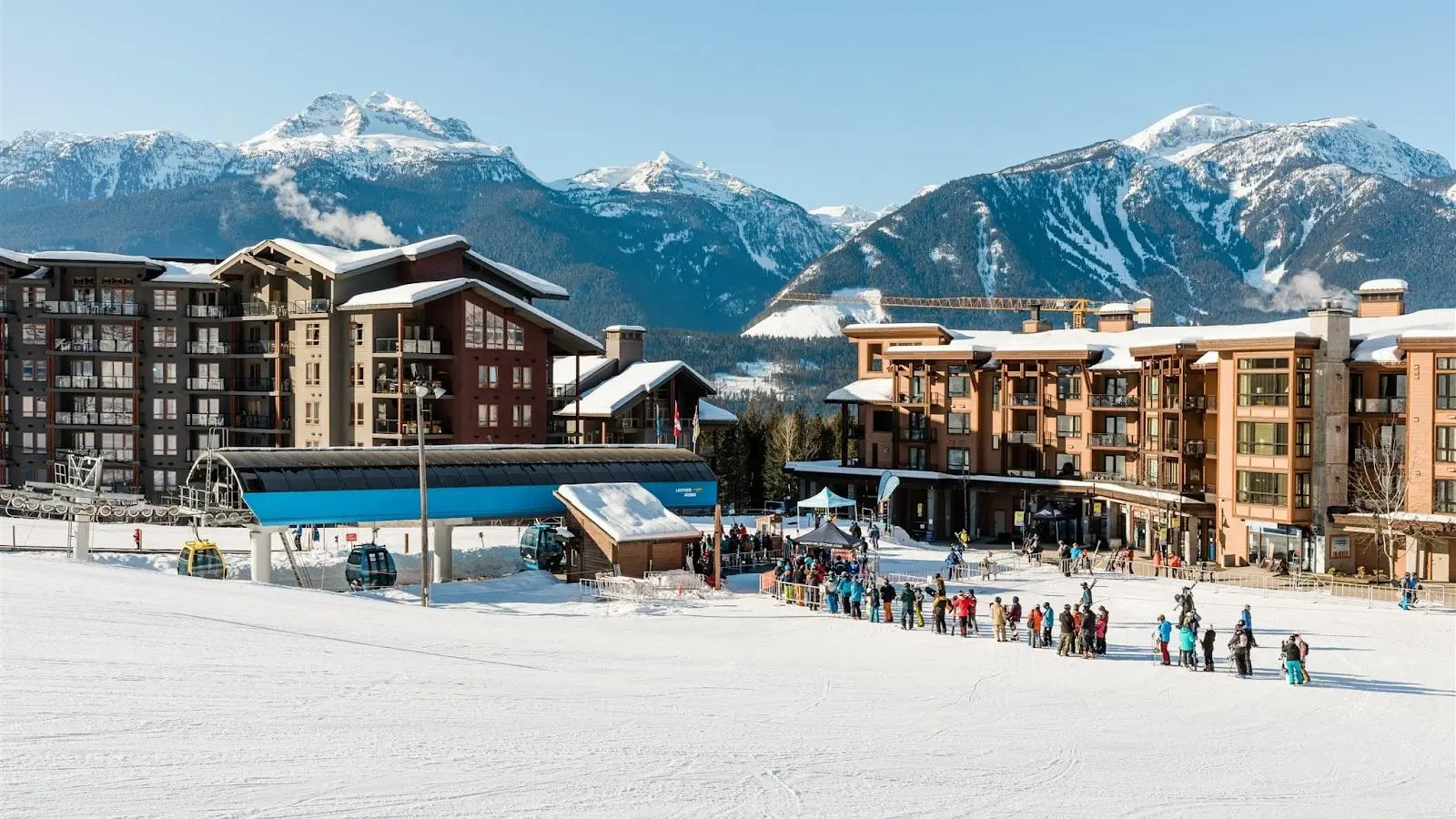
Snowbird sits at the head of Little Cottonwood Canyon, where more than 14 meters of snow fall each winter on a wall of granite. The Aerial Tram lifts a hundred skiers to Hidden Peak in seven minutes, the Cliff Lodge stands in raw concrete at the base, and there is no village beyond the resort itself.
Snowbird is a ski-in/ski-out resort (most of the village is genuinely on the snow) in United States, in the Wasatch Mountains. The village sits at 2438 m and the lifts top out at 3353 m, with 170 km of pistes and 14 lifts. Its BestSnowHotels snow score is 96/100, and the season usually runs Nov 23 → May 25.
Run counts and piste kilometres are indicative. Green runs only exist in France, Spain, Andorra, Norway, Sweden, Finland, Japan, the United States, Morocco, Algeria, Lesotho, South Africa, Egypt, Canada, South Korea, Australia, New Zealand and Chile; Italy, Austria, Switzerland and Germany start at blue. Indicative average snow depth near the top of the resort, in cm.
Where to stay
A handful of well-rated hotels in and around the resort. Pick one, then compare live prices across Booking, Expedia and Hotels.com.
4.68.2k reviews
€175
★ Top pick
Snowbird
Excellent · 8.2k reviews
👍Why we like it
Moments from the lifts in Snowbird, so you can ski back to the door and skip the morning queues.
Guests rate this hotel as excellent (4.6/5 from 8,212 reviews). A mid-range option for Snowbird, with live nightly rates shown for your exact dates so you always see the best price.
Ratings from Google, prices indicative per night. Live availability and rates via our booking partners.
Ski-in/ski-out
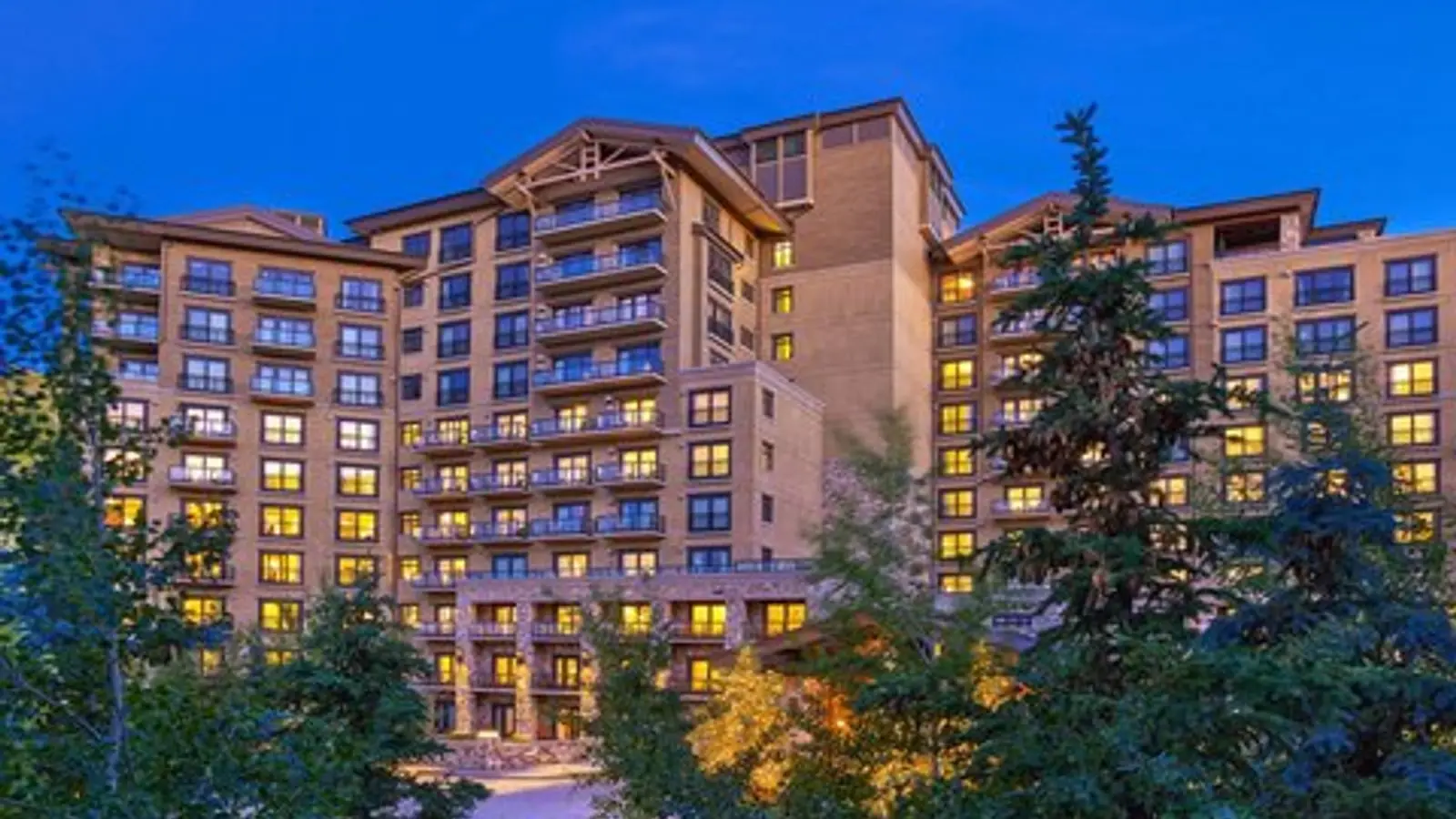
Every property at Snowbird is essentially ski-in/ski-out: the resort consists of a handful of lodges clustered around the tram base. The Cliff Lodge, Inn and Lodge at Snowbird all step onto snow. There is no off-resort lodging within walking distance up the canyon.
Get to know the resort
Snowbird is one of the snowiest resorts in the Lower 48, with annual totals routinely north of 14 meters thanks to the Lake Effect pumping moist air off the Great Salt Lake into the steep granite bowls of Little Cottonwood. The ski mountain is essentially vertical: the Aerial Tram links the base at 2438 meters to Hidden Peak at 3353 in seven minutes, and from the top the Cirque Traverse opens onto a litany of legendary expert lines, including Great Scott, the Gad Chutes, and the avalanche-ringed Mineral Basin on the back side. Sixty-seven percent of the marked terrain is black, which tells you everything; intermediates still find plenty on Gad 2 and Mineral Basin's softer flanks, but Snowbird earns its reputation as an expert's mountain. The base architecture is unapologetically brutalist, dominated by the concrete Cliff Lodge with its rooftop pool and views straight up the canyon. There is no traditional village, no Main Street, no historic core: the resort is the resort. An interconnect ticket links Snowbird to Alta next door, doubling the playground. It suits strong skiers, snow chasers and travellers who measure a holiday in vertical meters rather than restaurant choices.
Good to know
This is an expert-leaning mountain: 67 black runs alongside 32 red, with 8 green and 34 blue for warming up. Strong skiers will find plenty to bite into.
With a base at 2438 m climbing to 3353 m, snow reliability is among the best on our index (score 96/100).
At 170 km of piste on 14 lifts, it is a substantial mountain that earns a multi-day stay.
The lifts typically turn for about 26 weeks a season, planning around late January to late February tends to land the most reliable cover.
Hotels in Snowbird
Hotels and apartments around the lifts. Compare prices on Booking, Expedia and Hotels.com.
Snowbird offers 170 km of pistes across 14 lifts, from 2438 m to 3353 m. Whether it suits beginners depends on the dedicated learner zones at the base of the slopes, so check the local ski-school options for green and blue run access.
When is the best time to ski Snowbird?+
The season runs from Nov 23 to May 25, with a snow score of 96/100. Snow is usually most reliable in the heart of that window, deep in winter, while the closing weeks bring longer days and softer afternoon snow.
Where should I stay for true ski-in/ski-out?+
Every property at Snowbird is essentially ski-in/ski-out: the resort consists of a handful of lodges clustered around the tram base. The Cliff Lodge, Inn and Lodge at Snowbird all step onto snow. There is no off-resort lodging within walking distance up the canyon.
How big is the Snowbird ski area?+
Snowbird has 170 km of marked pistes served by 14 lifts, between 2438 m and 3353 m of altitude.
Is Snowbird more for beginners or experts?+
Snowbird counts about 141 marked runs in total. The colour breakdown above shows how they split by difficulty, a good guide to whether the resort fits your level.
Ski resorts near Snowbird
The closest alternatives, an easy switch if dates or hotels are tight.